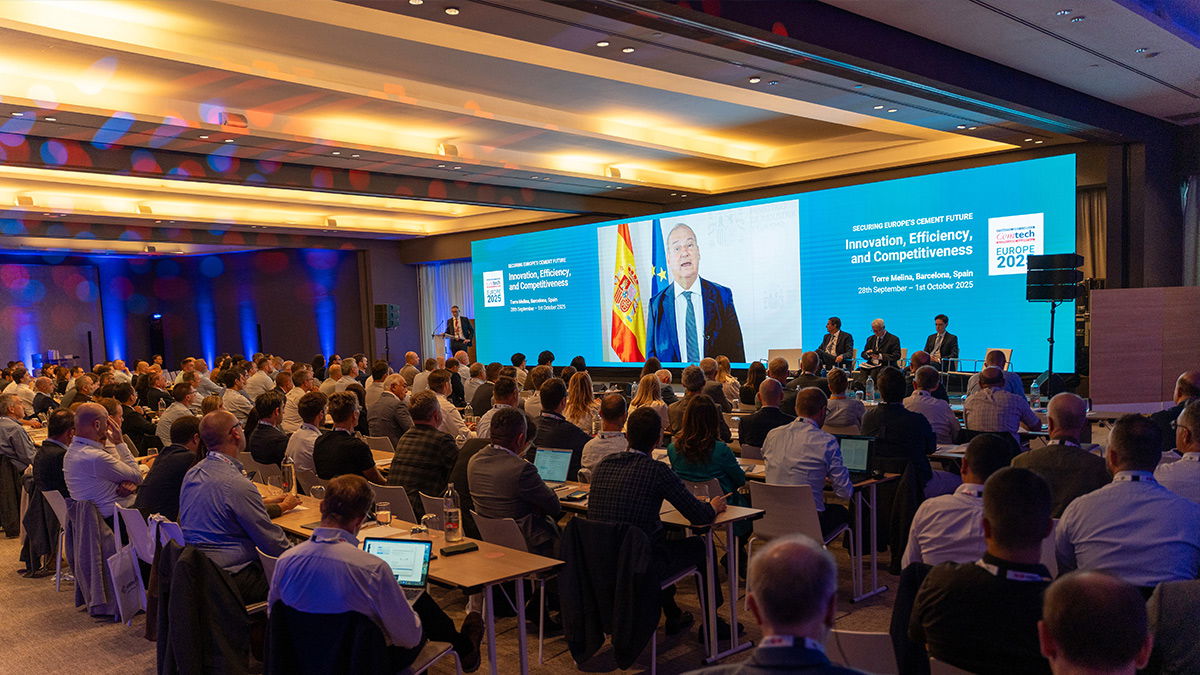
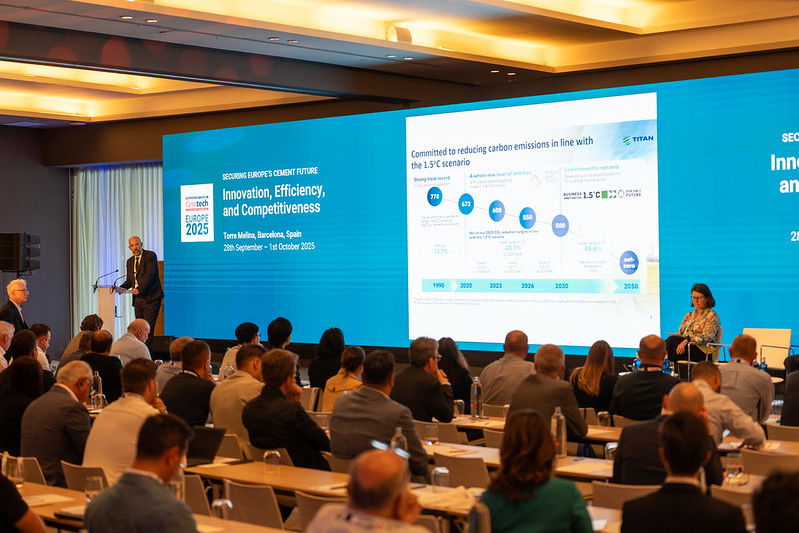
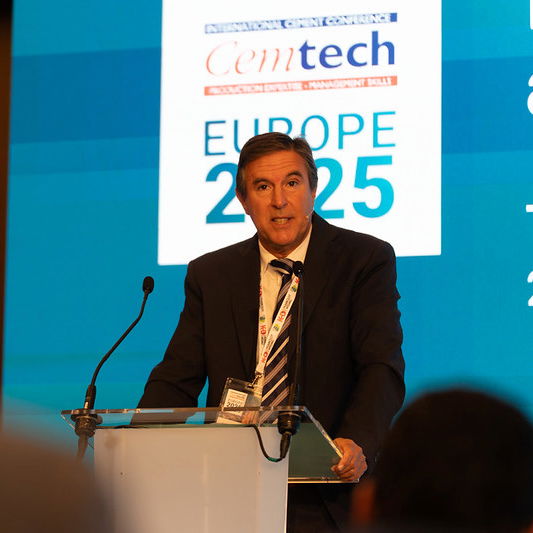
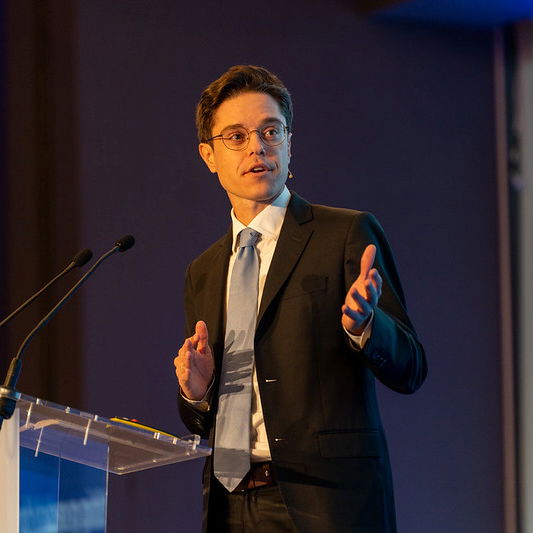
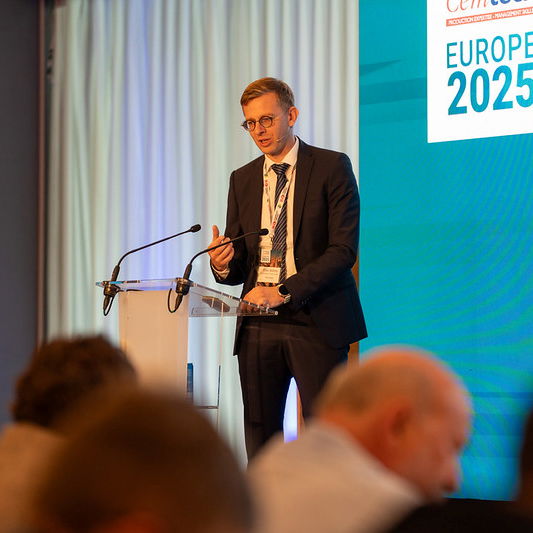
In his opening keynote, Salvador Fernández Capo, president of Ciment Catalá, highlighted the challenges facing Spain’s cement industry, including low domestic demand and reliance on exports. He argued that CBAM could stabilize competitiveness if backed by carbon capture and renewable electrification investments, while also addressing energy and logistics imbalances in the Iberian market.
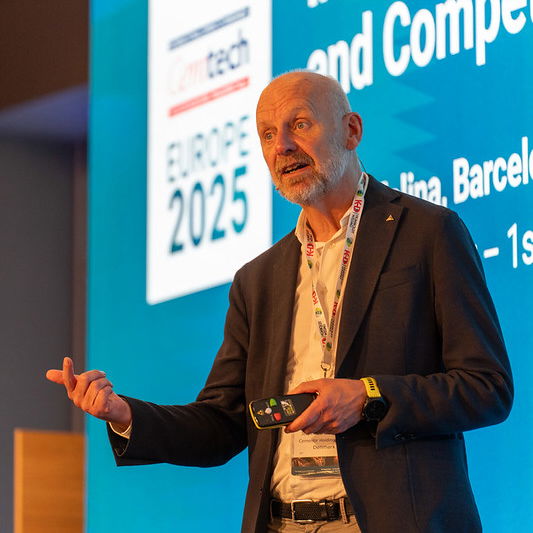
Lorenzo Casullo, Europe director at Ricardo plc, placed CBAM in its broader policy context, emphasizing the shift from voluntary to mandatory emissions reporting. He warned that many companies are still adapting to the EU’s evolving verification rules, which could lead to compliance challenges for some.
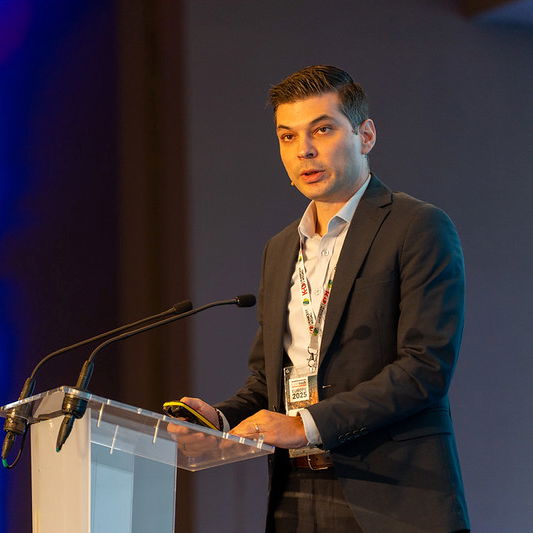
In technical sessions, Javier Peregrina of thyssenkrupp Polysius showed how existing plants can achieve carbon reductions through improved equipment, while Andrew Burns from Heidelberg Materials shared insights on implementing carbon capture at plants like Brevik in Norway and Padeswood in the UK.
Levers for decarbonisation
The conference also explored low-cost decarbonisation options. Peter Hoddinott stressed starting with energy efficiency and clinker substitution, while industry leaders from CIMPOR and Holcim showcased the mainstreaming of calcined clay as a key technology for reducing CO2 emissions. Danny Gray from Eco Material Technologies presented how reprocessing fly ash can cut embodied carbon.
For Spain’s producers, these innovations were highly relevant. Molins is advancing recycling hubs, and Holcim España’s digital logistics system is reducing fuel consumption and emissions.
Despite the challenges of CBAM, the atmosphere at the event was one of pragmatic optimism. Advances in calcined clays, waste-heat recovery, and digitalisation are already helping the industry reduce emissions by up to 40% before carbon capture technologies are even implemented.
Plant Tour
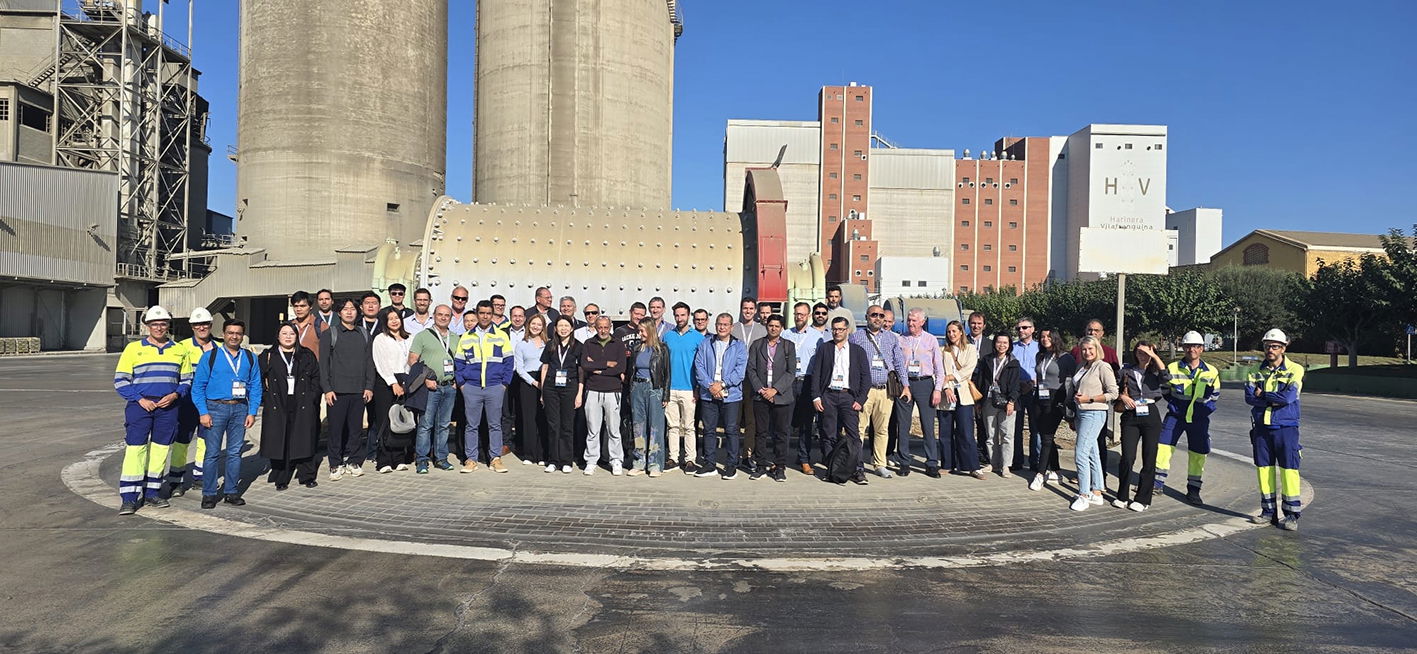
A select group of delegates also toured the historic Els Monjos cement plant, part of Cementos Portland Valderrivas Group, to see progress on its EUR33.5m decarbonisation project, set for completion in 2025. The plant's investments in high-efficiency technologies underscore its commitment to sustainable cement production.