Cement Kiln Pyroprocessing Training Course
Build detailed knowledge of kiln-system equipment, fuels, heat balance, process control, emissions and emerging pyroprocessing technologies.
Build detailed pyroprocessing knowledge across the complete cement kiln system.
What You'll Learn
- Control kiln feed, fuel dosing and dust losses using mass-balance principles
- Understand fans, suspension preheaters, alkali cycles and bypass systems
- Evaluate precalciners, burners, fuels, rotary kilns and clinker coolers
- Improve start-up, control, safety, emissions, heat recovery and decarbonisation
Course Breakdown
Module 1: Kiln Feeding, Fuel Dosing & Dust Losses 4 lectures
Use kiln mass and energy balance as the course framework, with accurate feed and fuel dosing and a clear understanding of feed-to-clinker factors and dust losses.
- Lecture 1 - Course Introduction
- Exercise 1
- Lecture 2 - Kiln Feeding Systems
- Exercise 2
- Lecture 3 - Fuel Dosing Systems
- Exercise 3
- Lecture 4 - Dust Losses
- Exercise 4
- End of Module 1 Exam
Module 2: Fans, Preheaters & Alkali Cycles 4 lectures
Study induced-draft fan technology and build-up, suspension-preheater operation, alkali cycles and the application of bypass systems.
- Lecture 5 - Induced Draft Fans
- Exercise 5
- Lecture 6 - Preheater Fan Build-Up
- Exercise 6
- Lecture 7 - Suspension Preheaters
- Exercise 7
- Lecture 8 - Alkali Cycles & Bypasses
- Exercise 8
- End of Module 2 Exam
Module 3: Precalciners & Kiln Fuels 4 lectures
Compare precalciner configurations and the special operating considerations for gas, fuel oil and alternative fuels.
- Lecture 9 - Precalciners
- Exercise 9
- Lecture 10 - Gas Firing
- Exercise 10
- Lecture 11 - Fuel Oil Firing
- Exercise 11
- Lecture 12 - Alternative Fuels
- Exercise 12
- End of Module 3 Exam
Module 4: Rotary Kilns, Burners & Coolers 4 lectures
Examine rotary-kiln integrity, shell heat losses, burner combustion, exhaust-gas volume and clinker-cooler efficiency.
- Lecture 13 - Rotary Kilns
- Exercise 13
- Lecture 14 - Main Burner
- Exercise 14
- Lecture 15 - Combustion Gas & Oxygen
- Exercise 15
- Lecture 16 - Clinker Coolers
- Exercise 16
- End of Module 4 Exam
Module 5: System Balance, Start-Up, Control & Safety 4 lectures
Bring the kiln system together through mass and energy balance, efficient start-up, stable operation and control, and safe working practices.
- Lecture 17 - Mass and Energy Balance
- Exercise 17
- Lecture 18 - Start-Up
- Exercise 18
- Lecture 19 - Operation and Control
- Exercise 19
- Lecture 20 - Safety
- Exercise 20
- End of Module 5 Exam
Module 6: Emerging Pyroprocessing Technologies 4 lectures
Review emissions mitigation, waste-heat power generation, carbon capture and the technologies needed for future CO2 reductions.
- Lecture 21 - Emissions Mitigation
- Exercise 21
- Lecture 22 - Waste Heat Power Generation
- Exercise 22
- Lecture 23 - Lowering CO2 and Carbon Capture
- Exercise 23
- Lecture 24 - Future of Pyroprocessing
Course Overview
This six-week online programme provides a detailed technical journey through cement-kiln pyroprocessing. It begins with feed, fuels, dust losses and preheater systems, then progresses through precalciners, the rotary kiln, burners and coolers before integrating the system through heat balance, start-up, control and safety.
Across 24 technical lectures, 23 practical exercises and five examinations, participants apply the material to their own plant or client operations. The final module addresses emissions control, waste-heat recovery, carbon capture and the future direction of pyroprocessing.
Reasons to Attend
-
Improve Thermal Efficiency
Use mass and energy balance to identify losses and opportunities -
Strengthen Kiln Stability
Understand interactions across fans, preheaters, burners and coolers -
Manage Fuels & Alkalis
Apply the right firing and bypass strategies for operating conditions -
Prepare for Decarbonisation
Evaluate heat recovery, emissions control and carbon capture
Who Should Attend
-
Kiln & Process Engineers
Deepen system-wide pyroprocessing knowledge -
Production & Control-Room Staff
Improve start-up, control and troubleshooting decisions -
Technical Managers
Assess efficiency, safety and future investment priorities -
Equipment & Service Suppliers
Understand complete kiln-system requirements
Course Tutor
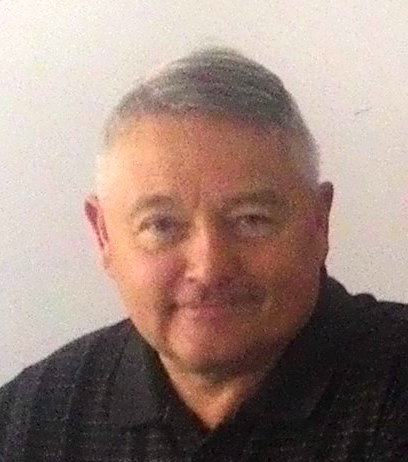
Dr Michael Clark
Senior Cement Process Engineer
40+ Years of Industry Experience
Dr Clark brings decades of international kiln and process experience to the complex interactions that determine pyroprocessing efficiency, reliability and emissions.
Industry Feedback
The mass-balance approach made the relationship between feed, clinker factor and dust losses much easier to diagnose.
The fan build-up and alkali-bypass sections were immediately relevant to recurring stability issues at our plant.
Start-up, operation and safety were presented as one practical sequence rather than separate topics.
The final module connected today's kiln performance work with waste-heat recovery and future carbon-capture options.
FAQ
How is CKP01 structured?
The course contains six online modules studied over six weeks, following the complete kiln system from feed and preheaters through the rotary kiln, cooler, operation and emerging technologies.
Is prior kiln experience required?
Practical cement-process experience is useful, but the course begins with the organising principles and develops each kiln-system component in sequence.
Are practical exercises included?
Yes. Twenty-three exercises help participants apply calculations, operating concepts and system analysis to their own factory or client sites.
Does the course cover alternative fuels and carbon reduction?
Yes. Alternative fuels are addressed alongside conventional firing, while the final module covers emissions mitigation, waste-heat power generation and carbon capture.
How is certification achieved?
Participants complete the required exercises and the five end-of-module examinations to receive a CemNet certificate of completion.
What learning resources are provided?
Downloadable lecture handouts, exercises and further reading are supplied through the online learning platform.