Cement CCUS Training Course
Explore the capture, utilisation, transport and storage technologies being developed to address cement’s unavoidable process CO2 emissions.
Explore cement carbon capture, utilisation, transport and storage technologies.
What You'll Learn
- Build a strategic case for cement CCUS using internal and external analysis
- Compare amines, membranes, sorbents, enzymes and cryogenic separation
- Understand oxy-combustion, calcium looping, LEILAC and conversion routes
- Evaluate CO2 utilisation, transport, storage and the complete value chain
Course Breakdown
Module 1: The Cement CCUS Challenge & Strategic Context 4 lectures
Define the imperative for cement CCUS, review the industry response and analyse the external and internal conditions that shape a viable project strategy.
- Lecture 1 - The Imperative and the Challenge of Cement CCUS
- Exercise 1
- Lecture 2 - The Industry’s Response to the Challenge
- Exercise 2
- Lecture 3 - Situation Analysis: Externalities
- Exercise 3
- Lecture 4 - Situation Analysis: Internalities
- Exercise 4
- End of Module 1 Exam
Module 2: Aqueous Amine Post-Combustion Capture 4 lectures
Examine the most mature capture route, including solvent and process optimisation and the potential for smaller-scale micro-capture applications.
- Lecture 5 - Aqueous Amine Post-Combustion Capture
- Exercise 5
- Lecture 6 - Amine Solvent Optimisation
- Exercise 6
- Lecture 7 - Amine Process Optimisation
- Exercise 7
- Lecture 8 - Micro-Capture
- Exercise 8
- End of Module 2 Exam
Module 3: Alternative Post-Combustion Capture Technologies 4 lectures
Compare hot potassium carbonate, membranes, metal-organic frameworks and enzyme-based approaches for separating CO2 from cement-kiln exhaust gases.
- Lecture 9 - Hot Potassium Carbonate
- Exercise 9
- Lecture 10 - Membranes
- Exercise 10
- Lecture 11 - Metal-Organic Frameworks
- Exercise 11
- Lecture 12 - Enzymes
- Exercise 12
- End of Module 3 Exam
Module 4: Cryogenic, Oxy-Combustion & Calcium Looping 4 lectures
Explore capture routes that integrate with or modify the cement process, from cryogenic fractionation and first-generation oxyfuel to hybrid capture and calcium looping.
- Lecture 13 - Cryogenic Fractionation
- Exercise 13
- Lecture 14 - First-Generation Oxy-Combustion
- Exercise 14
- Lecture 15 - Combined Oxy-Combustion and End-of-Pipe Carbon Capture
- Exercise 15
- Lecture 16 - Calcium Looping
- Exercise 16
- End of Module 4 Exam
Module 5: Next-Generation Capture & Carbon Conversion 4 lectures
Assess indirect calcination, second-generation oxy-combustion and biological or mineral conversion pathways for captured carbon dioxide.
- Lecture 17 - LEILAC
- Exercise 17
- Lecture 18 - Second-Generation Oxy-Combustion
- Exercise 18
- Lecture 19 - Capture and Conversion: Microalgae
- Exercise 19
- Lecture 20 - Capture and Conversion: Recarbonation
- Exercise 20
- End of Module 5 Exam
Module 6: CO2 Utilisation, Transport & Storage 4 lectures
Follow captured CO2 beyond the plant boundary through utilisation, transport and permanent storage, then integrate the complete cement CCUS value chain.
- Lecture 21 - CO2 Utilisation
- Exercise 21
- Lecture 22 - CO2 Transport
- Lecture 23 - CO2 Storage
- Lecture 24 - Conclusions
Course Overview
This six-week online course examines the technologies, issues and project choices involved in capturing, using or storing carbon dioxide emitted during cement-clinker production. Because much of cement’s CO2 is released by limestone calcination, capture remains an essential pathway alongside fuel switching, efficiency and clinker reduction.
Across 24 technical lectures, 21 applied exercises and five examinations, participants move from strategic situation analysis through mature amine systems and alternative separation technologies to integrated capture processes, carbon conversion, utilisation, transport and storage. The programme provides a structured view of both plant-level capture and the wider CCUS value chain.
Reasons to Attend
-
Compare Capture Technologies
Understand maturity, energy demand and process integration -
Plan Beyond the Plant Gate
Connect capture with utilisation, transport and storage -
Assess Emerging Options
Explore LEILAC, oxyfuel, calcium looping and carbon conversion -
Strengthen Project Strategy
Use structured analysis to frame risks and opportunities
Who Should Attend
-
CCUS & Decarbonisation Teams
Develop a complete view of cement capture pathways -
Process & Project Engineers
Evaluate capture integration and energy requirements -
Strategy & Investment Managers
Understand technology readiness and value-chain dependencies -
Technology & Infrastructure Providers
Relate solutions to cement-plant and network needs
Course Tutor
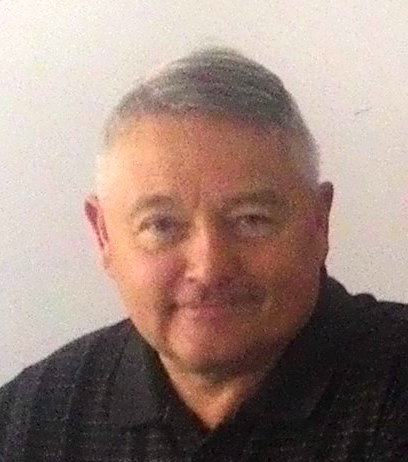
Dr Michael Clark
Senior Cement Process Engineer
40+ Years of Industry Experience
Dr Clark provides a cement-industry perspective on the fast-moving capture technologies and infrastructure decisions needed to turn CCUS concepts into workable projects.
Industry Feedback
The side-by-side treatment of amines, membranes, looping and oxyfuel made the technology landscape much easier to navigate.
The strongest part was linking plant capture decisions to transport and storage availability.
A valuable cement-specific context for understanding where newer separation and conversion technologies may fit.
The course showed clearly why successful cement CCUS depends on the whole network, not only the capture unit.
FAQ
How is the Cement CCUS course structured?
The course contains six online modules studied over six weeks, covering strategy, capture technologies, carbon conversion and the downstream CO2 value chain.
Does it cover technologies beyond amine capture?
Yes. It includes membranes, potassium carbonate, metal-organic frameworks, enzymes, cryogenic separation, oxy-combustion, calcium looping and LEILAC.
Are utilisation, transport and storage included?
Yes. The final module examines CO2 utilisation, transport and geological storage before drawing the complete course together.
Is the course cement-industry specific?
Yes. Technologies are considered in the context of cement-kiln exhaust gases, process integration, energy demand and unavoidable calcination emissions.
Are practical exercises and exams included?
The programme contains 21 exercises and five end-of-module examinations to reinforce the lectures and support certification.
Who should take this course?
It is designed for cement producers, project developers, technology suppliers, infrastructure specialists and stakeholders involved in industrial CCUS.