Decarbonising Cement Manufacture Course
Build an in-depth understanding of the technologies, economics and strategic choices involved in reducing cement-manufacturing CO2 emissions.
Understand the technologies and strategies needed to reduce cement-manufacturing CO2.
What You'll Learn
- Segment cement CO2 emissions across calcination, combustion and electricity
- Evaluate clinker-factor reduction, alternative materials and low-carbon cements
- Compare energy efficiency, fuel, hydrogen and electrification pathways
- Assess carbon-capture technologies, infrastructure and net-zero scenarios
Course Breakdown
Module 1: The Imperative and the Challenge 4 lectures
Define the scale and sources of cement-sector CO2 emissions, review the industry response and establish a baseline against international scenarios.
- Lecture 1.1 - The Imperative of Decarbonising Cement Manufacturing
- Lecture 1.2 - The Challenge
- Exercise 1.2 - Baseline World CO2 Emissions
- Lecture 1.3 - The Industry’s Response
- Exercise 1.3 - Baseline Projection
- Lecture 1.4 - Segmenting the Embodied CO2 in Cement: Combustion, Calcination and Electricity
- Exercise 1.4 - The IEA Reference Technology Scenario (RTS)
- Module 1 Exam
Module 2: Diluting the Embodied CO2 in Cement 7 lectures
Explore clinker-factor reduction through blended cements, grinding and activation technologies, LC3 and alternative low-clinker product systems.
- Lecture 2.1 - Blended Cements
- Lecture 2.2 - Grinding Aids and Quality Improvers
- Exercise 2.2 - Profitability of Quality Improvers
- Lecture 2.3 - Super-Fine Grinding
- Exercise 2.3 - Profitability of Booster Mill
- Lecture 2.4 - Enhancing the Hydraulic Reactivity of Clinker
- Exercise 2.4 - Link Between Clinker LSF and CO2 Emissions
- Lecture 2.5 - Limestone Calcined Clay Cement (LC3)
- Exercise 2.5 - LC3-Specific Cement CO2 Savings
- Lecture 2.6 - Mechanochemical Activation of Clay
- Exercise 2.6 - Clay Activation Cost Comparison
- Lecture 2.7 - Hoffmann Green Cement
- Exercise 2.7 - Clinker Content Reduction in the IEA’s 2DS Scenario
- Module 2 Exam
Module 3: Reducing the Embodied CO2 from Calcination 5 lectures
Assess alternative raw materials and clinker systems, plus technologies that mineralise or utilise CO2 in cementitious products and concrete.
- Lecture 3.1 - Alternative Raw Materials
- Exercise 3.1 - Correcting Kiln Feed LSF for Steel Slag
- Lecture 3.2 - Alternative Clinkers
- Exercise 3.2 - CO2 Associated with Clinker Minerals
- Lecture 3.3 - Solidia
- Lecture 3.4 - CO2 Utilisation in Concrete
- Exercise 3.4 - Solidia CO2 Savings
- Lecture 3.5 - Fortera
Module 4: Reducing the Embodied CO2 from Energy 8 lectures
Reduce thermal and electrical emissions through efficient kiln technology, heat-flow analysis, lower-carbon fuels, hydrogen, electrification and refractory engineering.
- Lecture 4.1 - More Energy-Efficient Technology: Cement Kilns
- Exercise 4.1 - Lower Kiln Energy Consumption in IEA’s 2DS Scenario
- Lecture 4.2 - Clinker Heat of Reaction and Mineralisation
- Lecture 4.3 - Preheater and Cooler Exhaust Gas and Energy Flows
- Exercise 4.3 - Preheater and Cooler Exhaust Gas Energy Flows
- Lecture 4.4 - Fuel Substitution with Lower-Carbon Fuels
- Exercise 4.4 - Composition of Preheater Exhaust Gas
- Lecture 4.5 - Hydrogen Fuel for Cement Kiln Firing
- Exercise 4.5 - Hydrogen Requirements
- Lecture 4.6 - Electrification Technologies for Cement Kiln Heating
- Exercise 4.6 - Electricity Requirements
- Lecture 4.7 - Refractory Engineering to Reduce Radiation Losses
- Lecture 4.8 - Reducing or Eliminating the CO2 from Electricity Consumed
- Exercise 4.8 - Alternative Fuels in the IEA’s 2DS Scenario
- Module 4 Exam
Module 5: Carbon Capture, Storage and Use 5 lectures
Compare capture routes and examine the downstream processing, transport, storage and utilisation decisions needed to create viable CCUS projects.
- Lecture 5.1 - Introduction to Carbon Capture
- Exercise 5.1 - Carbon Capture in the IEA’s 2DS Scenario
- Lecture 5.2 - End-of-Pipe Absorption
- Lecture 5.3 - Oxy-Combustion
- Exercise 5.3 - Oxygen Requirements for Oxy-Combustion
- Lecture 5.4 - Hybrid or Partial Carbon Capture Technologies
- Lecture 5.5 - Process, Transport, Store or Use Carbon Dioxide
- Module 5 Exam
Module 6: Conclusion 3 lectures
Bring the technology pathways together, test them against net-zero scenarios and identify practical actions the cement industry can take now.
- Lecture 6.1 - It Will Never Be Enough
- Lecture 6.2 - The IEA’s 2021 Net Zero Emissions Scenario
- Lecture 6.3 - Do What We Can
Course Overview
This six-week online programme gives cement professionals and other stakeholders a structured understanding of the technologies available to reduce CO2 emissions from cement manufacture. It begins by defining the challenge and segmenting emissions, then examines solutions across cement formulation, calcination, thermal energy, electricity and carbon capture.
Across 32 technical lectures, 20 analytical exercises and four examinations, participants compare the engineering and economic implications of blended cements, activated clays, alternative clinkers, process efficiency, lower-carbon fuels, hydrogen, electrification and CCUS. The concluding module brings these options together against net-zero scenarios and practical industry action.
Reasons to Attend
-
Build a Complete Roadmap
Compare every major cement decarbonisation lever in one programme -
Quantify the Options
Use practical exercises to examine emissions and economics -
Evaluate Emerging Technology
Understand hydrogen, electrification, alternative binders and CCUS -
Prioritise Investment
Relate technology pathways to realistic net-zero planning
Who Should Attend
-
Sustainability & Strategy Leaders
Develop credible plant and corporate decarbonisation plans -
Process & Technical Managers
Assess changes to cement, clinker and kiln systems -
Project & Investment Teams
Compare technology maturity, infrastructure and economics -
Equipment & Service Suppliers
Understand the industry’s evolving technology requirements
Course Tutor
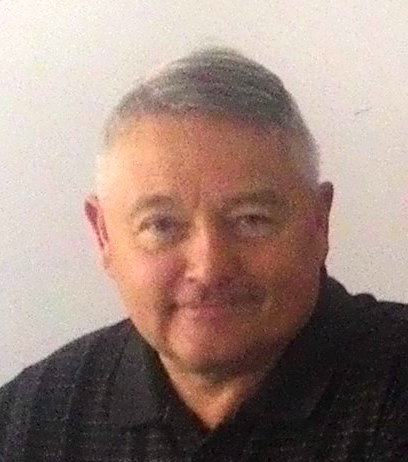
Dr Michael Clark
Senior Cement Process Engineer
40+ Years of Industry Experience
Dr Clark connects the science of cement manufacture with the practical engineering and commercial realities of delivering meaningful CO2 reductions.
Industry Feedback
The course helped us separate near-term clinker-factor actions from the longer-term investment needed for capture technology.
The exercises made it easier to compare energy, calcination and product-based CO2 reductions on a common basis.
A useful bridge between technical potential and the infrastructure and economic questions behind major projects.
The breadth of the programme gave our team a clearer view of where different technologies fit within a cement producer’s roadmap.
FAQ
How is DCM01 structured?
The course contains six online modules studied over six weeks, progressing from emissions baselines through materials, energy and carbon capture to an integrated conclusion.
Does it cover both current and emerging technologies?
Yes. The programme combines proven measures such as blended cements and energy efficiency with emerging options including hydrogen, electrification, alternative binders and CCUS.
Are economics included?
Yes. Exercises assess profitability, energy and material requirements, scenario assumptions and the implications of different technology pathways.
How much study time is required?
Participants should allow approximately five hours per week, with course content available online around the clock during the six-week period.
How is certification achieved?
Participants complete the analytical exercises and four end-of-module examinations, achieving the required average grade for certification.
Who is the course designed for?
It is suitable for cement professionals, technology suppliers, project teams and other stakeholders who need an in-depth understanding of cement decarbonisation.