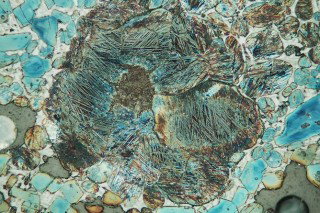
Coarse feed, crystal sizes and burnability
Kiln feed fineness has a major influence on clinker burnability and quality, but overall sieve re...
In the ongoing evolution of cement technology, small compositional adjustments continue to unlock disproportionately large performance gains. The growing use of limestone and supplementary cementitious materials, particularly calcined clays, has already reshaped our understanding of hydration chemistry, moving beyond the traditional boundaries of ordinary Portland cement. Yet, these systems are not governed by isolated reactions, but by a tightly interdependent network in which silica, alumina, carbonate and sulphate species compete and cooperate in complex ways. By Arthur Harrisson, UK
GBP£220 / USD$315 / EUR€260 annually
Our editors pick the top news delivered to your inbox. Sign-up today!