Pretoria Portland Cement Ltd. will revamp two plants instead of building a new one in South Africa’s Western Cape and will reduce spending on expansion in the province by ZAR1.5bn (US$205m) because of slower demand.
“The original design was done during a period of peak demand and cement shortages,” CEO Paul Stuiver said today in a statement. “The economic landscape and capacity requirements have changed significantly since then.”
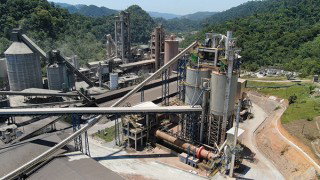
Africa’s largest cement maker would have spent ZAR4.5bn over four years to build a new plant at Riebeeck. It will now spend ZAR3bn over six years to increase output and improve energy efficiency at its existing Riebeeck and De Hoek factories.
The revised plan will lift capacity in the province by about 50 per cent by 2016, the statement said. The plan to upgrade will be less disruptive to surrounding communities and the environment, it said.