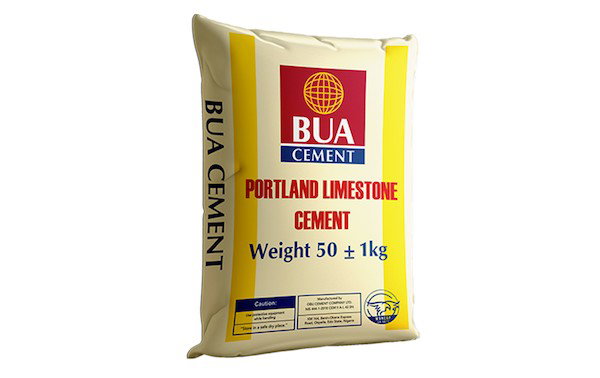
BUA Cement has attributed high cement prices in Nigeria to rising energy, transportation and foreign exchange-related costs, despite recent improvements in currency market stability.
Speaking at the company’s annual general meeting in Abuja, chairman Abdul Samad Rabiu said the cement sector remained heavily exposed to imported equipment, spare parts and energy inputs, making production costs sensitive to exchange rate volatility.
Rabiu said recent foreign exchange reforms had improved transparency and planning certainty for manufacturers, while shipping costs had started to ease as the naira stabilised.
BUA Cement reported revenue of NGN1.2trn (US$750m) in 2025, compared to NGN876.5bn in 2024. Profit before tax increased to NGN465.3bn from NGN99.6bn, while profit after tax rose to NGN356bn from NGN73.9bn.
The company’s shareholders approved a final dividend of NGN10/share, bringing total dividend payments for the year to NGN338.6bn.
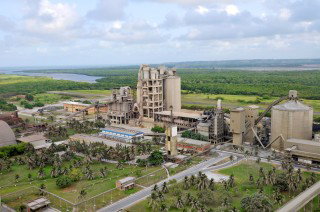
Managing director and CEO Yusuf Binji said energy accounted for around 60 per cent of cement production costs. He stated that monthly natural gas costs at the company’s Edo State plant had risen from around NGN4bn to as much as NGN16bn following naira depreciation.
Binji also highlighted rising diesel costs linked to geopolitical tensions in the Middle East, noting that diesel prices had increased from around NGN930/l to nearly NGN1850/l within two months.
BUA Cement said it continued to invest in expansion projects, including a new production line in Ososo, Edo State, and another planned line in Sokoto State. The projects are expected to increase installed capacity by around 6Mta to approximately 23Mta by 2027.
Handpicked stories, in your inbox
Our editors pick the top news delivered to your inbox. Sign-up today!