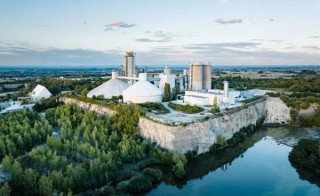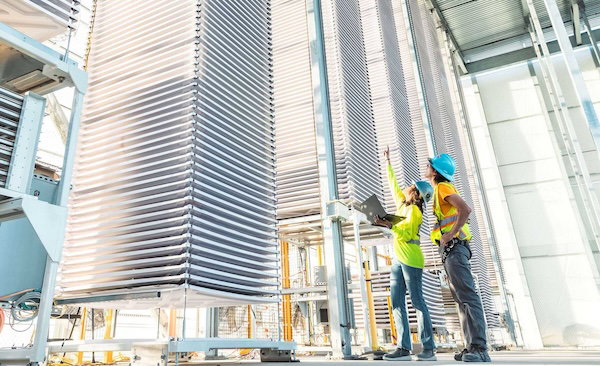
Researchers at ETH Zurich have found that integrating calcium-looping direct air capture (DAC) technology into cement plants could reduce the climate impact of cement production by up to 78 per cent by 2050.
The study, published in the journal Chem Circularity, was undertaken in collaboration with US-based Heirloom Carbon Technologies, examined the potential synergies between cement production and calcium-looping DAC. Both processes use calcium compounds and involve the calcination of limestone into quicklime and CO2.
Under the proposed system, an electrically-powered kiln would replace fossil fuel-fired calcination, while the resulting concentrated CO2 stream would be captured. Quicklime would subsequently be hydrated and exposed to air, absorbing atmospheric CO2 and converting back into limestone. This material could then be returned to cement production, while the captured atmospheric CO2 would ultimately be transported for permanent geological storage.
The researchers estimate that commercial calcium-looping DAC could achieve CO2 removal efficiencies of 85-96 per cent by 2050, depending largely on the electricity supply. For every tonne of CO2 captured and stored, the process could generate around 40-150kg of lifecycle CO2 emissions.
However, the study assumes substantial electricity-sector decarbonisation by 2050, while some equipment required, including indirectly-heated electric calcination kilns, has yet to be deployed at large industrial scale. The economic viability of integrating the technology into cement production also remains to be established.
Handpicked stories, in your inbox
Our editors pick the top news delivered to your inbox. Sign-up today!