Natural carbonation of concrete offsets less than 10 per cent of the cement industry's annual CO2 emissions, according to a new UCLA-led study published in Communications Sustainability.
Using thermodynamic and diffusion-based modelling, researchers examined the rate at which concrete in buildings, roads and other structures absorbs atmospheric CO2 over its lifetime. The study found substantially lower carbon uptake than some previous estimates, which have suggested offsets of up to 57 per cent.
According to the researchers, a typical concrete beam, slab or pavement fully exposed to the atmosphere could take around 1000 years to reach 50 per cent carbonation under normal outdoor conditions.
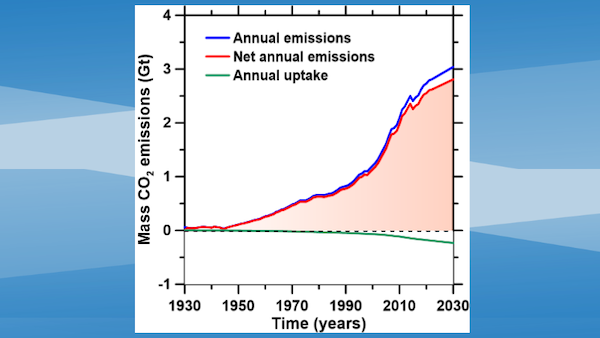
With global cement production projected by the study to reach 4.83Bnt annually by 2030, concrete in service is estimated to absorb around 230Mt of CO2 per year, compared with approximately 3Bnt of annual cement-industry emissions.
The researchers also questioned assumptions that demolition significantly increases lifetime carbon uptake, noting that crushed concrete is frequently landfilled, stockpiled or reused in applications that restrict exposure to air.
Study leader Gaurav Sant said the findings reinforced the need to prioritise measures that reduce emissions at source, including clinker substitution, material efficiency, alternative fuels, carbon capture and alternative cement production technologies.
Handpicked stories, in your inbox
Our editors pick the top news delivered to your inbox. Sign-up today!