
Driving cement decarbonisation at CalPortland
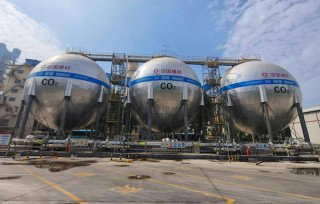
As the cement industry moves decisively toward a lower-carbon future, CalPortland is turning stra...
The cement industry is uniquely positioned to support decarbonisation objectives by co-processing residual waste streams as alternative fuels and raw materials. In the western Balkans, cement plants possess kiln infrastructure and significant unused substitution capacity, yet co-processing remains marginal. This article examines why the constraint is not kiln technology but upstream waste system readiness. Drawing on regional analysis, it identifies priority waste streams, assesses technical and regulatory feasibility, and outlines practical pathways to unlock co-processing under EU-aligned environmental standards. By by Dr Kåre Helge Karstensen, SINTEF, Norway
GBP£220 / USD$315 / EUR€260 annually
Our editors pick the top news delivered to your inbox. Sign-up today!