Adani Group's Ambuja Cements is in talks to acquire two cement carriers and eight clinker carriers worth around INR25bn (US$285.7m), turning to Chinese shipbuilders after failing to secure deals in India and Southeast Asia. This prompted CemNet to investigate the state of the dry bulk freight sector and the challenges cement producers might have in acquiring freight ships for cement and clinker deliveries.
It is apparent that Ambuja Cements has had difficulty in finding a shipyard either in India and further afield to supply its needs. “Ambuja Cements explored shipyards in Indonesia, Philippines, Vietnam and India,” an industry source reported. “As much as the country wants Indian yards to be built for progress, there are not many Indian yards available. Indian shipyards cater to more naval vessels and smaller vessels. Delivery schedules are way out.”
While India has the capability to cope with European Union orders for much smaller bulkers, it has struggled to attract investment, whereas Chinese yards have the capacity to produce in volume. Globally, there is a trend towards smaller vessel sizes within the dry bulk sector.
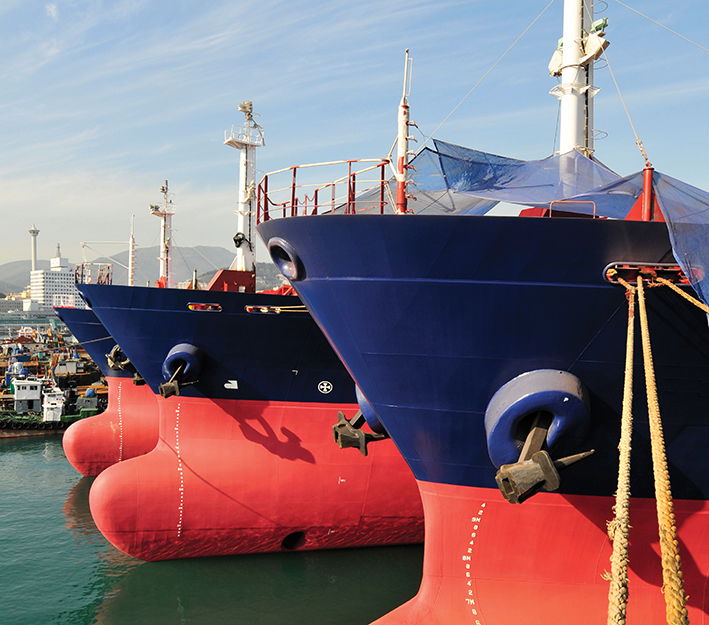
Ambuja Cements is ordering vessels of 38,500t capacity, Handymax cement carriers with an approximate cost of INR4000m, according to ET Infra. Meanwhile, a 9200t clinker vessel will cost around INR2000m each.
The Indian cement producer will call its new clinker vessels Sanghimax carriers, because they will enter the channel at Sanghi Industries 6.1Mta plant in Kutch, Gujarat. The Sanghi Industries plant is part of Ambuja Cements portfolio. Ambuja currently operates 11 coastal cement carriers.
Handymax carrier’s fleet size
Cement producers are turning to coastal deliveries from road transport in countries like India. Global bulk loadings of bauxite, cement, clinker and fertilisers increased by two per cent YoY in the 1Q25, according to Pacific Basin Shipping Ltd. Cement and clinker bulk loadings rose by seven per cent within this group of commodities.
Bulk freight analysts Clarkson Research reports that the global minor fleet which caters for cement and clinker, as well as bauxite and fertilisers, increased by 1.3 per cent YoY in the 1Q25, driven partly by a 19 and 48 per cent rise in deliveries of Handymax and Supramax newbuilding vessels respectively. Only 0.2 million dwt, or 0.1 per cent of the minor bulk fleet, was scrapped.
The future might seem bright for Handymax and Supramax suppliers. The minor bulk fleet is estimated to grow by three and five per cent in 2005, respectively. This will account for 18.6 million dwt or around five per cent of the Handysize and Supramax fleet. Only 0.5 per cent of the minor bulk fleet is scheduled to be scrapped in 2025. The order book for total dry bulk and minor bulk vessels at the end of the 1Q25 stood at 10.3 per cent and 10.4 per cent, respectively. On the downside, the Handymax and Supramax fleet continues to age, with vessels over 20 years old representing 14 and 12 per cent of the existing fleet, respectively.
The difficulties that Ambuja Cements has been facing can be seen in the long term trend for dry bulk newbuild ordering which plummeted 90 per cent YoY in the 1Q25. Factors contributing to this fall-off were limited yard capacity, cost inflation and uncertainties regarding decarbonisation and green fuels constraining ordering activity in the sector, claimed Pacific Basin Shipping Ltd. The US tariff disputes and uncertainty around Chinese-built ships has further undermined newbuild contracting, while trade disruptions from Houthi rebels in the Gulf of Aden has reduced business through the Suez Canal.
Volatility and change
Dry bulk cargo vessels will continue to be resilient with investments in fleet modernisation, digital technologies and shipowners increasing looking to operate newbuilds on LNG and alternative fuels to meet the International Maritime Organisation’s (IMO) 2030 carbon reduction goals. It is the increasing geopolitical tensions that are adding volatility to orders and schedules.
Indian cement producers seeking coastal shipments will need to follow the seasonal and cyclical patterns of freight trade because cement is a minor bulk material, which along with steel, bauxite, fertilisers, sugar and agricultural products, makes just 35 per cent of global dry bulk freight trade. While India is a rapidly growing cement market, dry bulk deliveries have risen on average by 3.8 per cent annually. Getting them to grow at higher rates may require more Indian shipyards to help increase fleet sizes.
Handpicked stories, in your inbox
Our editors pick the top news delivered to your inbox. Sign-up today!