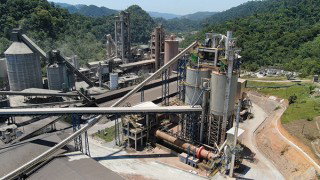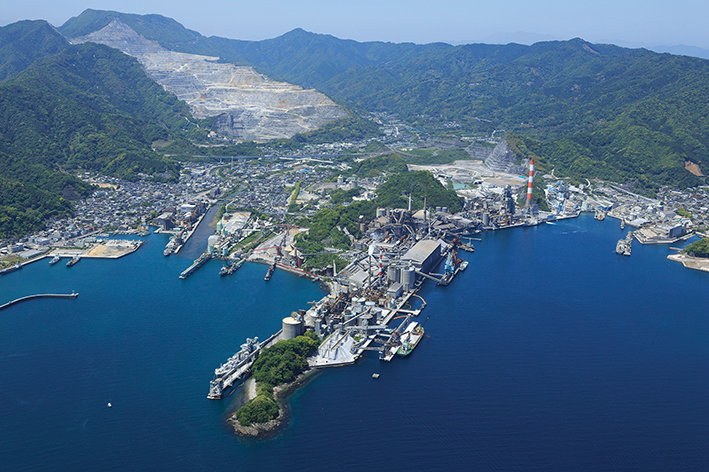
Japan’s domestic cement demand is approaching a historic low, with projections for fiscal 2026 falling to 30Mt. This figure sits below the levels recorded in 1964, the year of Tokyo’s first Olympic Games, marking a stark departure from the peak of 86.28Mt seen in 1990. While past downturns were often linked to economic cycles or reduced public spending, the current slump is viewed as structural. A primary driver is the implementation of work-style reforms and legal caps on overtime introduced in 2024. These changes have lengthened construction timelines significantly, often extending one-year projects to eighteen months, which naturally suppresses the annual volume of cement required.
The implications of this decline extend beyond the construction sector. The cement industry plays a critical role in Japan’s circular economy by recycling industrial by-products like steel slag and coal ash, as well as waste plastics. As production facilities scale back or close—such as Mitsubishi Ube Cement’s Kyushu plant—the nation loses a vital outlet for waste management. Furthermore, experts warn that a diminished industrial base may struggle to respond to urgent reconstruction needs following natural disasters. In response, major manufacturers are restructuring and looking toward international markets in the United States and Southeast Asia to sustain production. Although public infrastructure projects may eventually stabilise domestic demand, analysts expect the downward trend to persist as the industry adapts to a permanent shift in labour practices and a shrinking workforce.
Handpicked stories, in your inbox
Our editors pick the top news delivered to your inbox. Sign-up today!