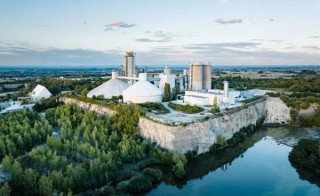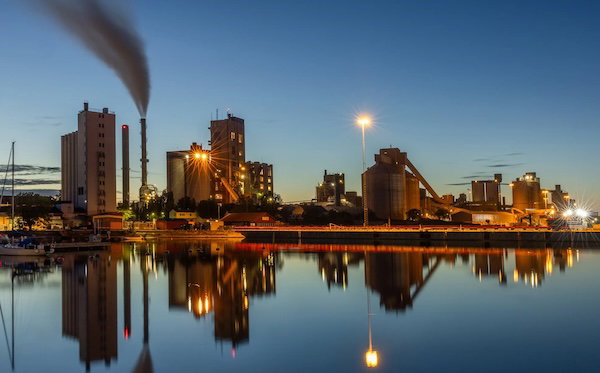
Heidelberg Materials’ 30-year permit to continue limestone extraction at Slite, Sweden, has become legally binding after the Swedish Supreme Court declined to hear further appeals.
The decision leaves the Land and Environment Court’s approval in place, securing the long-term supply of limestone to the Slite cement plant on the island of Gotland. The facility produces around three-quarters of the cement used in Sweden.
The permit includes environmental protection and compensation measures covering water resources and natural habitats.
Heidelberg Materials plans to invest approximately SEK1.5bn (US$156m) in these measures, including infrastructure intended to double local drinking-water capacity. A monitoring programme will allow measures to be reviewed and adjusted in consultation with regulators.
Giv Brantenberg, general manager of Heidelberg Materials’ Northern Europe region, said the decision provided an important foundation for the company’s long-term operations and its role as a supplier to Sweden’s construction and infrastructure sectors.
The permit also removes a major regulatory uncertainty surrounding the proposed carbon capture and storage facility at Slite. Development of the project is currently paused while Heidelberg Materials seeks a viable financing arrangement, although the company said it remains committed to the scheme. If realised, the facility could reduce Sweden’s total CO2 emissions by up to four per cent, according to the producer.
Handpicked stories, in your inbox
Our editors pick the top news delivered to your inbox. Sign-up today!