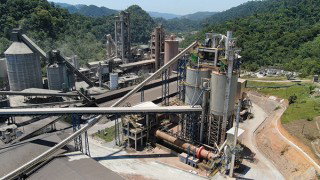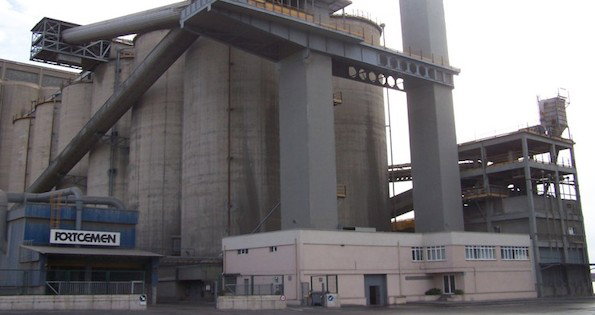
Operating since 1975, Portcemen SA is a specialised dry bulk terminal located in the heart of the Port of Barcelona. Established through a joint venture between Uniland, Molins, and Cemex España the facility was conceived to consolidate the handling and export of clinker and cement from Catalonia. The partnership between these three firms ensured that the terminal could operate at scale, serving as a shared logistical hub for one of the region’s most important industries. Portcemen occupies a concession at the Contradic Sud wharf covering an area of roughly 10,675m2. The site is immediately recognisable for its impressive infrastructure: 12 cylindrical silos, each standing 40m tall and 14m in diameter, aligned in two orderly rows.
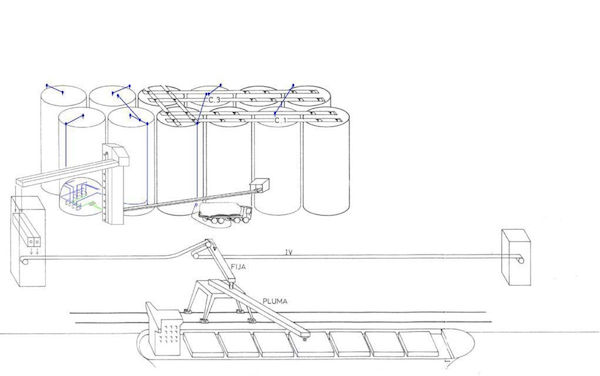
These silos, each capable of storing around 6000t of cement (for a total capacity of 70,000t), are linked by a network of conveyors and loading arms that allow bulk cargo to be transferred efficiently between vessels and storage facilities. Since 1975, it is calculated that 60.4Mt of cement product (34.9Mt clinker, 25.5Mt cement) have been handled.
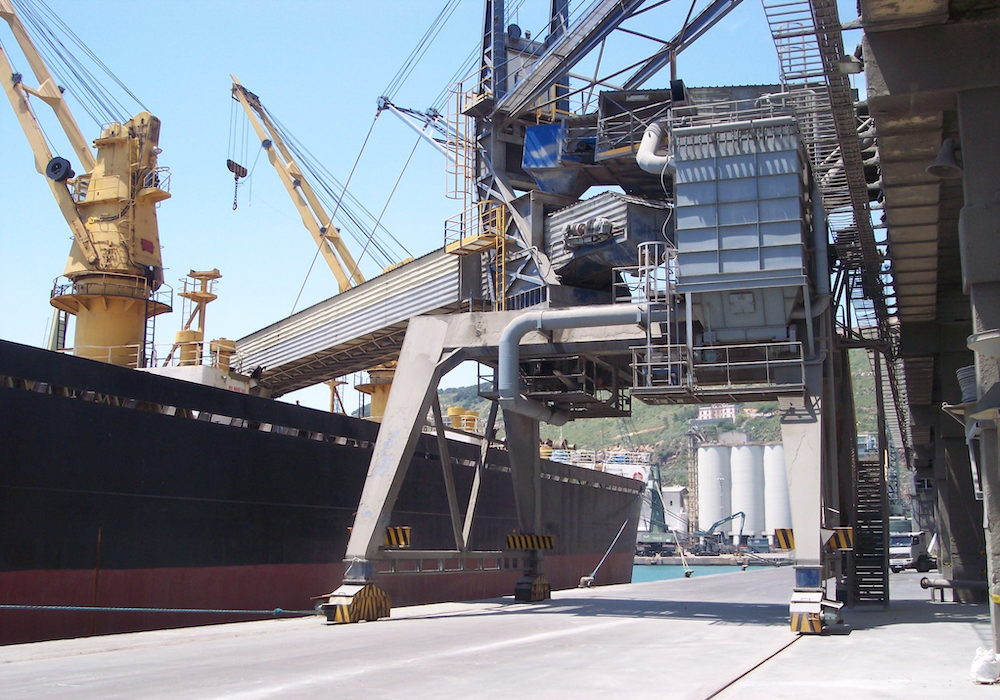
From its earliest days, Portcemen has been a symbol of functional industrial design—its structures both imposing and emblematic of Barcelona’s role as a Mediterranean trade hub.
The terminal plays a dominant role in Catalonia’s cement export market, handling around 95 per cent of the region’s cement and clinker exports. This makes it one of the most significant players not only in Barcelona’s dry bulk sector but in Spain’s maritime logistics as a whole.
Its streamlined operations reduce bottlenecks, enabling ships to berth, load, and depart with minimal delay. Over the decades, this efficiency has reinforced the Port of Barcelona’s reputation for reliability in international shipping networks.
Registered delegates attending Cemtech Europe 2025 will have the opportunity to visit the port on 1 October.
Handpicked stories, in your inbox
Our editors pick the top news delivered to your inbox. Sign-up today!