Developers and builders can now build more sustainably without reinventing the wheel — thanks to Holcim’s next-generation cement made with calcined clay, a material that can halve CO2 emissions without compromising performance.
“With rising demand for low-carbon building solutions, it’s time to change the recipe for cement, the foundation of modern construction,” said Rémi Barbarulo, Head of Cement R&D at the Holcim Innovation Center.
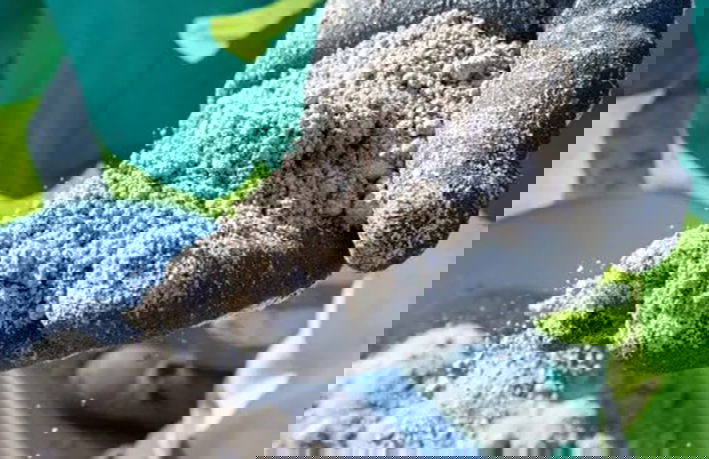
By replacing part of clinker with calcined clay, Holcim significantly reduces emissions. The process requires less heat and releases only a quarter of clinker’s CO2 output. Clay’s abundance and local availability also strengthen supply resilience.
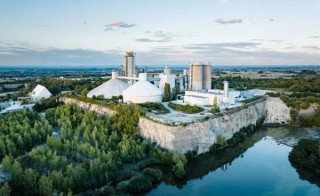
Holcim has already expanded calcined clay-based cement to nine plants across Europe, Latin America, and North Africa, including Europe’s first dedicated production line in Saint-Pierre-la-Cour, France, and a new facility under construction in the Czech Republic. The company is also retrofitting kilns in Mexico, Ecuador, Spain, and Egypt, with the Guayaquil plant expected to produce up to 2Mta.
The innovation is already shaping sustainable landmarks — from the Stade Nautique du Roucas Blanc in Marseille for the 2024 Olympics to CityWave in Milan and the Woha Tower in Cancun. Each project demonstrates major CO2 savings using Holcim’s ECOPlanet cement and ECOPact concrete.
Scaling calcined clay is central to Holcim’s Next GenGrowth 2030 strategy, targeting over 50 per cent of net sales from low-carbon solutions by the end of the decade.
Handpicked stories, in your inbox
Our editors pick the top news delivered to your inbox. Sign-up today!