The global calcium aluminate cement (CAC) market was valued at US$4.5bn in 2024 and will grow at a CAGR of 5.7 per cent to reach US7.5bn by 2033, according to a report by market research consultancy Astute Analytica.
Refractory applications currently account for 46 per cent of global CAC production, driven by the steel sector’s shift toward electric arc furnaces (EAFs), which generate 70 per cent lower emissions than blast furnaces. CAC-based refractories are needed to withstand the 1700°C operating temperatures required for corrosive slags. EAF adoption grew by 18 per cent in India during 2023-24 while demand for refractory castables hit 22 per cent.
CAC is also used heavily for wastewater infrastructure and in the USA certain states, such as Ohio, mandate CAC-modified concrete for new sewer networks. 3D-printed CAC components are also increasingly adopted for nuclear waste containment, a sector which is expected to grow significantly by the end of the decade.
The report notes that decarbonisation is reshaping CAC production, leading to the adoption of novel technologies to cut CO2 emissions. At Calucem AG’s Pazardzhik plant in Bulgaria emissions have been reduced by 34 per cent by substituting for bauxite with recycled aluminium dross.
Kerneos invested US$12m in carbon capture facility at its French plant, which will begin capturing 50,000t of CO2 from next year. Meanwhile, Almatis’ EcoCaltrix replaces 20 per cent of clinker with lignin derived from agricultural waste, cutting carbon emissions by 25 per cent.
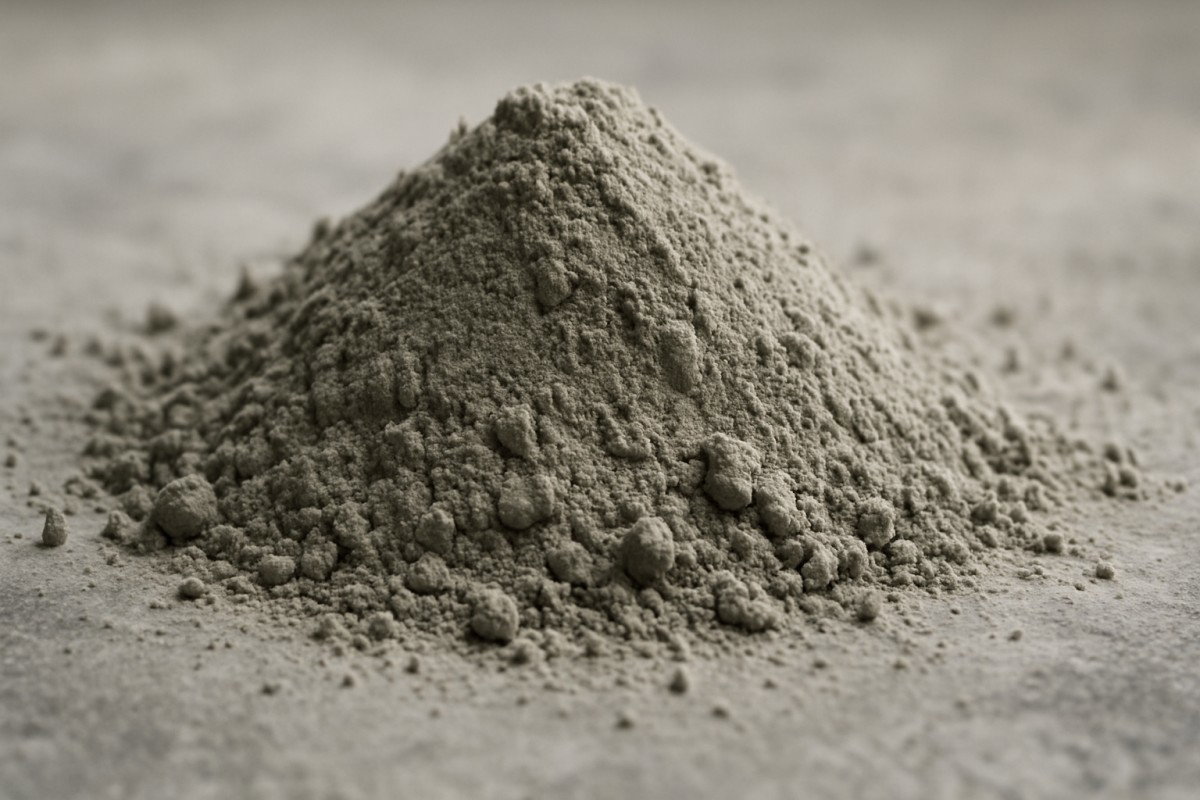
Powdered CAC holds an 72.84 per cent share of the market and is favoured for its flexibility.
Handpicked stories, in your inbox
Our editors pick the top news delivered to your inbox. Sign-up today!