Ethiopia’s draft regulation to reform its investment incentive system has sparked debate among industry stakeholders. The proposal replaces broad tax holidays with performance-based incentives, granting a reduced 15 per cent business profits tax rate for five years to companies using at least 50 per cent renewable energy.
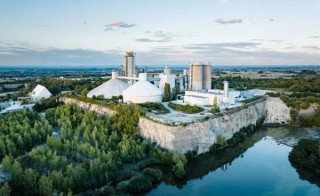
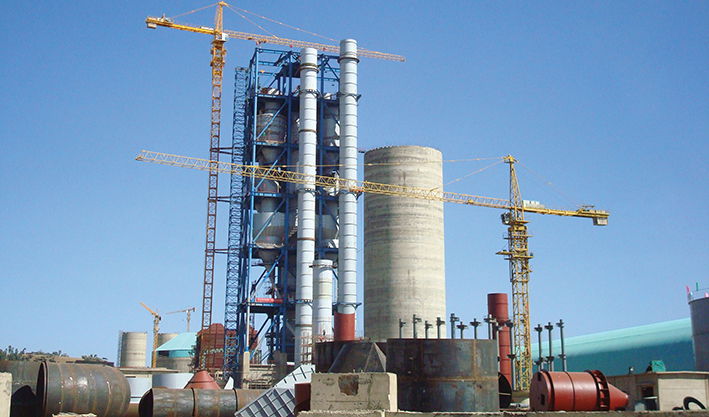
While the move aligns with the government’s green development agenda, capital-intensive sectors such as cement say the target is unrealistic. Pan African Green Energy (PAGE) PLC, part of East African Holdings, noted that its Lemi and National cement plants rely heavily on coal, with renewable energy accounting for only 10–15 per cent of consumption. Achieving 50 per cent, it said, would require major investment and disrupt operations.
In response, the Ministry of Finance has proposed a phased incentive structure, offering benefits starting at 20 per cent renewable substitution and increasing at 50 and 100 per cent levels. Cement producers also urged recognition of thermal energy sources such as biomass from urban waste, tyre-derived fuel, and hydrogen fuels, along with expanded incentives for biofuel projects.
Other industries voiced concerns over exclusions. Safaricom Ethiopia urged inclusion of telecoms in the Information Technology Incentive Program and access to capital allowances, while beverage producers, including Coca-Cola and Heineken, requested income tax relief amid rising costs.
Ministry official Mulay Weldu said the reform, developed over six years, aims to replace unsustainable tax holidays with targeted incentives and faster approvals via a new digital system. The plan seeks to balance fiscal discipline with sustainable, investment-led growth.
Handpicked stories, in your inbox
Our editors pick the top news delivered to your inbox. Sign-up today!