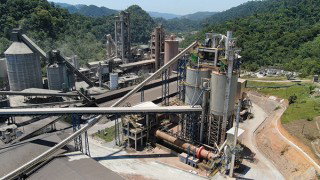
The UK Government has announced a major boost for the nation’s most energy-intensive industries — including cement — as part of a plan to slash industrial electricity costs and strengthen competitiveness. From April next year, around 500 businesses will collectively save up to GBP420m (US$551.1m) annually through an expanded discount on electricity network charges.
Under the new measures, announced by Business Secretary Peter Kyle on 31 October, the discount rate for sectors such as cement, steel, glass, and chemicals will rise from 60 to 90 per cent. These industries, which employ about 400,000 people across the country, have long faced some of the highest industrial electricity prices in the G7, making it difficult to compete internationally.
For the UK cement sector, which depends heavily on consistent and affordable energy supplies, the move marks a significant step towards improving cost efficiency and competitiveness. High power costs have been a persistent challenge for cement manufacturers, impacting production margins and limiting investment in low-carbon technology. The expanded discount is expected to ease this pressure and support decarbonisation efforts across the industry.
The support package forms part of the UK’s modern Industrial Strategy and follows a public consultation earlier this year. It aims to deliver meaningful cost relief at no extra expense to taxpayers. The government has emphasised that the scheme will help reduce the risk of “carbon leakage” — where industries move production abroad to avoid higher costs — and instead encourage firms to invest in the UK’s transition to cleaner manufacturing.
The Network Charging Compensation (NCC) Scheme, under which the discount will be applied, is designed to bring UK industrial electricity prices closer to those of other major European economies. This will help protect jobs, attract new investment, and create a more level playing field for foundational industries such as cement.
Business Secretary Peter Kyle said the reforms demonstrate the government’s commitment to revitalising British industry. “We’ve heard businesses loud and clear, and this landmark support will help them stay competitive on the global stage so they can invest and grow here in the UK,” he said.
The policy will be complemented by the forthcoming British Industrial Competitiveness Scheme, set to reduce energy costs by 25 per cent for more than 7000 businesses from 2027. Together, these initiatives underline the government’s drive to create a stronger, more sustainable industrial base — with the cement sector positioned as a key beneficiary.
Handpicked stories, in your inbox
Our editors pick the top news delivered to your inbox. Sign-up today!