A decade-old scandal linking French cement giant Lafarge to alleged crimes against humanity in Syria reached a Paris courtroom today, as the company and eight former executives stand trial for financing terrorism. The six-week case is the first time a private French firm has faced such charges.
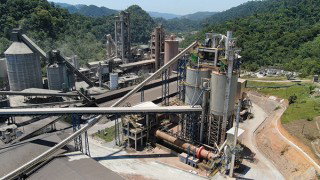
Prosecutors accuse Lafarge of paying armed groups — including ISIS — to keep its US$680m Syrian cement plant operating between 2012 and 2014. The company allegedly channelled funds through intermediaries, among them Syrian businessman Firas Tlass, who is being tried in absentia. Former CEO Bruno Lafont, deputy COO Christian Herrault, and other senior staff face up to 10 years in prison if convicted.
Lafarge, which merged with Swiss rival Holcim in 2015, denies wrongdoing, claiming its Syrian subsidiary acted independently. French judges have rejected defence claims that the company’s actions were encouraged by intelligence cooperation with the state.
Campaigners say the case exposes “double standards” in corporate accountability, contrasting Lafarge’s alleged multimillion-euro payments with the harsh penalties faced by individuals sending small sums to relatives in Syria.
In January, Lafarge announced it was seeking EUR200m (US$230m) in damages from Lafont and other executives allegedly involved.
The trial is being closely watched by rights groups and business leaders and expected to test France’s commitment to prosecuting corporate complicity in terrorism and human rights abuses.
Handpicked stories, in your inbox
Our editors pick the top news delivered to your inbox. Sign-up today!