Saipem has launched the fourth and final experimental phase of its CO2 capture pilot plant, part of the European ACCSESS project, which features the company’s proprietary “CO2 Solutions” technology. The project, coordinated by SINTEF Energy Research and co-funded by the European Union under the Horizon 2020 programme, aims to advance carbon capture solutions for hard-to-abate industries.
This milestone confirms the performance and reliability of Saipem’s enzyme-catalysed solvent-based CO2 capture process under real industrial conditions, demonstrating its readiness for large-scale application. The technology serves as the foundation for Bluenzyme™, Saipem’s modular plug-and-play carbon capture system designed for fast integration and simplified operation across various industrial sectors.
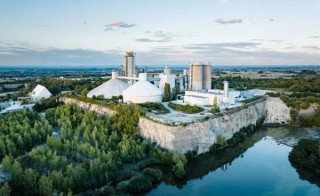
The pilot plant, operating with Saipem’s proprietary technology, is installed at Heidelberg Materials’ cement plant in Górazdze, Poland — the largest cement facility in Europe. It captures CO2 directly from the plant’s flue gases and can operate in two configurations: a traditional absorber column and an innovative Rotating Packed Bed (RPB) system, which improves capture efficiency while reducing space requirements. The plant is currently running at full capacity and has achieved its design target of capturing two tonnes of CO2 per day.
This phase follows earlier testing campaigns conducted at the Celsio Waste-to-Energy plant and Mongstad Technology Center in Norway, as well as the Stora Enso paper mill in Sweden. The Górazdze trials represent the final experimental stage of the ACCSESS project, marking a significant step forward in the deployment of scalable, cost-effective carbon capture technologies across energy-intensive industries.
Handpicked stories, in your inbox
Our editors pick the top news delivered to your inbox. Sign-up today!