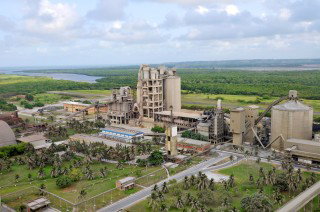
Tajikistan produced over 3.7Mt of cement in 9M25, marking an increase of 512,100t or 15.8 per cent compared to the YoY period, according to data from the Agency for Statistics under the President of Tajikistan.
The Ministry of Economic Development and Trade (MoEDT) forecasts continued growth in cement production. In 2026, production is expected to reach 4.62Mt, with a further increase to 4.82Mt in 2027, a 4.3 per cent rise from the previous year.
Cement prices have also seen an upward trend. Since the start of 2025, prices have risen by 9.4 per cent, driven by higher demand for construction materials.
Tajikistan is home to 16 cement plants, with more than 80 per cent of the country's production concentrated in three Tajik-Chinese joint ventures: Jungtsai Mohir Cement, Huaxin Gayur Cement, and Huaxin Gayur Sughd Cement.
At the same time, new cement production capacities are under construction. In particular, Orien Invest is building a new cement plant in Qubodiyon district of Khatlon province, which is set to become the largest cement production facility in the country, with a capacity of 1.8Mt per year.
Currently, the largest plant in Tajikistan is Tojikcement's plant in Ismoilo Somoni, near the capital Dushanbe, which opened in 2023 and has a capacity of 1.2Mt per year.
Tajikistan is positioning itself as a key player in the regional cement industry, with ambitious plans for growth to meet the increasing demand driven by ongoing infrastructure and construction projects.
However, such achievements of Tajikistan’s industry evoke concern of ecologists, who consider that excessive increase in cement production may cause irreparable harm to the country’s environment.
Handpicked stories, in your inbox
Our editors pick the top news delivered to your inbox. Sign-up today!