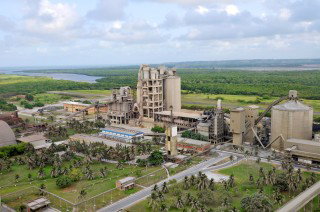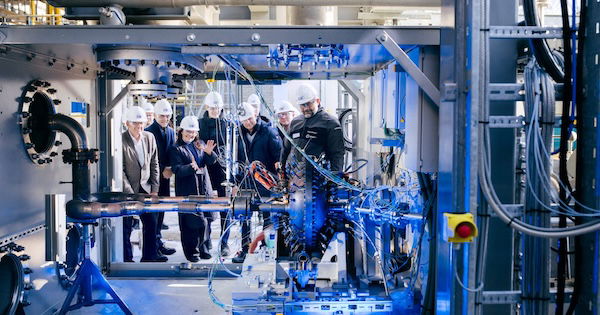
Adani Cement and Coolbrook have announced an agreement to deliver the world’s first commercial deployment of the RotoDynamic Heater (RDH) technology at Adani’s Boyareddypalli integrated cement plant in Andhra Pradesh.
According to a press release from Adani, the initiative is aimed at significantly reducing carbon emissions from cement production. This marks the first industrial-scale use of Coolbrook’s RDH system, which will decarbonise the calcination phase – the most fossil fuel-intensive stage of cement manufacturing. The system will provide clean heat to dry materials and improve the efficiency of alternative fuels, cutting reliance on traditional fossil sources.
The deployment is expected to reduce around 60,000t of carbon emissions each year, with the potential to scale tenfold over time. The RDH system will be powered entirely by renewable energy from Adani Cement’s own portfolio, ensuring zero-emission industrial heat. The company said this demonstrates the real-world feasibility of clean, electrified industrial heat powered by renewables and reinforces India’s potential to become a global hub for clean cement manufacturing.
Vinod Bahety, CEO of Adani Group’s Cement Business, said: “The world’s first commercial deployment of Coolbrook’s RotoDynamic Heater within our operations marks a pivotal moment in our decarbonisation journey. This is a major leap towards achieving our net-zero goals. By integrating such cutting-edge electrification solutions into our cement production, we are accelerating the shift away from fossil fuels and setting a new standard for low-carbon cement manufacturing.”
Coolbrook’s CEO Joonas Rauramo added: “Entering into the first industrial-scale project in the world with Adani Cement marks a transformative step for industrial electrification in one of the world’s most vital cement markets. Our mission is to make RotoDynamic Technology a new industry standard for decarbonising hard-to-abate sectors.”
The collaboration includes plans to expand RotoDynamic Technology across other Adani Cement plants, targeting at least five additional projects within two years. The first-generation RDH will deliver hot gases at around 1000°C, enhancing the drying and efficiency of alternative fuels.
Adani Cement aims to raise the use of alternative fuels and resources to 30 per cent and green power to 60 per cent by FY2028, advancing its SBTi-validated goal of achieving net-zero emissions by 2050.
Handpicked stories, in your inbox
Our editors pick the top news delivered to your inbox. Sign-up today!