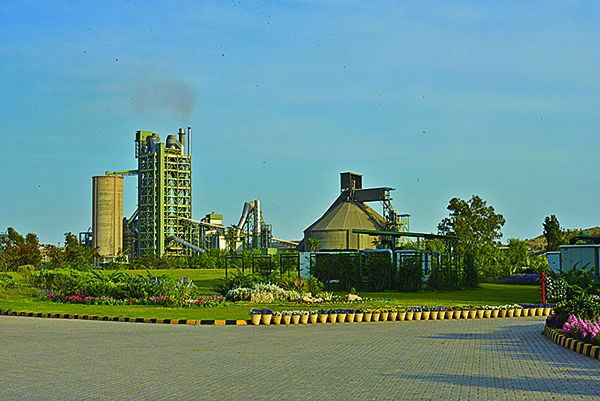
DG Khan Cement Co Ltd (DGKC) held a corporate briefing yesterday to discuss its FY24-25 financial results and provide an outlook for the future.
Management anticipates local cement demand will grow by at least 5–7 per cent in teh FY25-26, primarily driven by developments in the northern region. This estimate does not account for flood-related rehabilitation demand, which is expected to emerge after winter. However, there are no plans for a brownfield expansion at the DG Khan plant. However, the company may install an additional production line based on projected demand growth, reports BMA Research.
Local cement retention stands at PKR15,800/t (US$56.08/t)) in the northern region and PKR15,400/t in the southern region. Cement export retention was around PKR1,100/t, while clinker retention was PKR8000/t. Management believes these rates are likely to improve in the current fiscal year, supported by a higher proportion of cement exports within total exports.
The company exports bulk cement to the Middle East and also ships cement and clinker to the US, Sri Lanka, and Bangladesh. The US market offers high margins, and management expects similar margins in the Middle Eastern market as well. Regarding the recent removal of the export development surcharge, management noted that the change is expected to enhance export retention rates slightly.
In terms of energy supply, DG Khan mainly uses imported coal, with local coal constituting only 5–6 per cent of its fuel mix. Recent coal imports included shipments priced below US$95/t and others below US$100/t. It is expected that coal prices will stabilise at US$90-100/t.
The company meets its power requirements through 30 per cent grid supply, with the remaining 70 per cent covered by in-house generation. This includes a 10.92MW solar power plant, a 32.40MW waste heat recovery plant, and a 60MW coal power plant. The average cost of power remained between PKR25-30/kWh.
The company received a reversal of electricity duty amounting to PKR800m for the past 12–13 years, following directives from the Honorable Supreme Court.
Most of the company’s debt is associated with the Technology Upgradation and Expansion Fund (TERF) and solar financing, both of which benefit from subsidised rates.
Handpicked stories, in your inbox
Our editors pick the top news delivered to your inbox. Sign-up today!