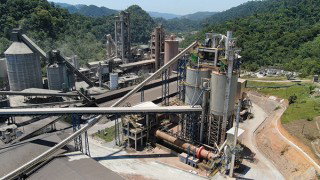
A Paris court has examined how Lafarge and its Syrian subsidiary negotiated with armed groups, including ISIS, while keeping its Jalabiya cement plant operational during the Syrian civil war in 2013-14. Lafarge and eight former executives are on trial, charged as a legal entity with financing terrorism.
Former Lafarge CEO Bruno Lafont told the court he would have halted operations earlier had he known about the arrangements. “Until Aug. 27, 2014, I never suspected that payments had been made to terrorist organizations,” he said.
Bruno Pescheux, CEO of Lafarge Cement Syria (LCS) between 2008 and 2014, said his priority had been keeping trucks moving. “These payments… were intended to allow our employees to move around freely,” he told the court, adding that intermediary Firas Tlass had met ISIS representatives multiple times. “I had no means to verify whether the groups listed actually received the amounts indicated,” he said.
Former security manager Ahmad Al Jaloudi said Tlass’s representative handled “all my problems, including with Daesh,” and confirmed meeting an ISIS member in 2013 to resolve the blocking of nine trucks.
Christian Herrault, Lafarge’s former deputy director general of operations, testified that payments to armed groups began in October 2012 and stated, “I told [Lafont] that the negotiations had taken place.”
The case also revisits earlier reports claiming Lafarge briefed French intelligence on its contacts with ISIS. The judicial investigation, launched in 2017, led to charges against several executives. In 2024, judges ruled the company and four former executives must stand trial for financing a terrorist organisation and violating EU embargo rules.
Lafarge, which merged with Swiss rival Holcim in 2015, has consistently denied any wrongdoing, claiming its Syrian subsidiary acted independently.
The trial continues.
Handpicked stories, in your inbox
Our editors pick the top news delivered to your inbox. Sign-up today!