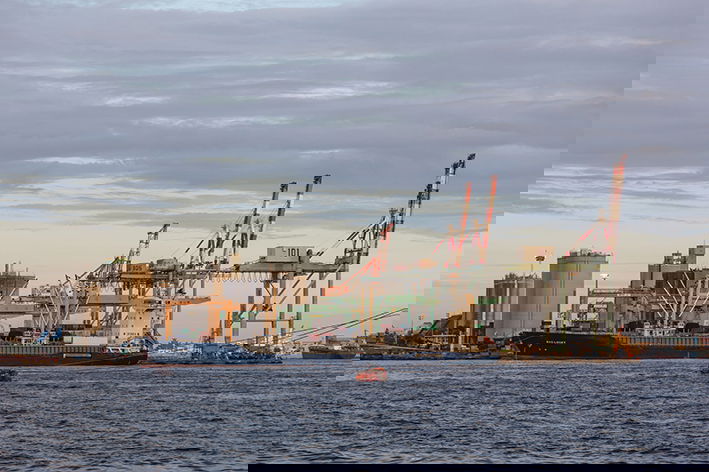
Taiwan Cement Corp (TCC) Chairman Nelson Chang has called for tighter controls on cement imports, warning that Taiwan risks becoming a dumping ground for overseas excess capacity, a move that could undermine the domestic cement industry and threaten tens of thousands of jobs.
Chang said he strongly supports Minister of Environment Peng Chi-ming’s appeal to reduce reliance on imported cement, stressing that the issue goes beyond environmental protection and carbon reduction to include industrial competitiveness and employment stability. He cautioned that allowing surplus foreign production to flood the local market would have serious consequences for Taiwan’s cement sector and workforce.
Citing Ministry of Finance customs data and domestic pricing figures, TCC said imports from countries such as Vietnam, Indonesia and Japan show clear signs of dumping. The company noted that Japanese cement sold domestically at around TWD3800/t (US$120.6) was exported to Taiwan at just TWD1400/t, implying a dumping margin of up to 106 per cent. Indonesian clinker was reportedly sold locally at about TWD1200/t, but exported to Taiwan for roughly TWD$680.
TCC added that despite anti-dumping duties imposed on Vietnamese cement in July, import prices continued to decline, with Vietnamese cement and clinker prices falling by 15 per cent and 22 per cent respectively. Indonesian suppliers subsequently cut prices by a further five per cent.
Chang also criticised Taiwan’s zero-tariff policy on imported cement, describing it as unfair and non-reciprocal. As new carbon footprint reporting rules are prepared, he urged stricter controls on cement used in public projects, including traceable single-source requirements and mandatory compliance with internationally recognised, third-party-verified carbon standards.
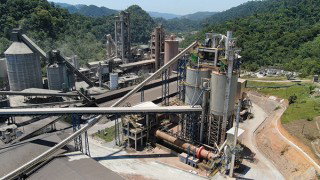
TCC highlighted investments at its Heping and Suao plants to process industrial waste into alternative raw materials and fuels, responsibilities it said imported cement suppliers do not share.
Handpicked stories, in your inbox
Our editors pick the top news delivered to your inbox. Sign-up today!