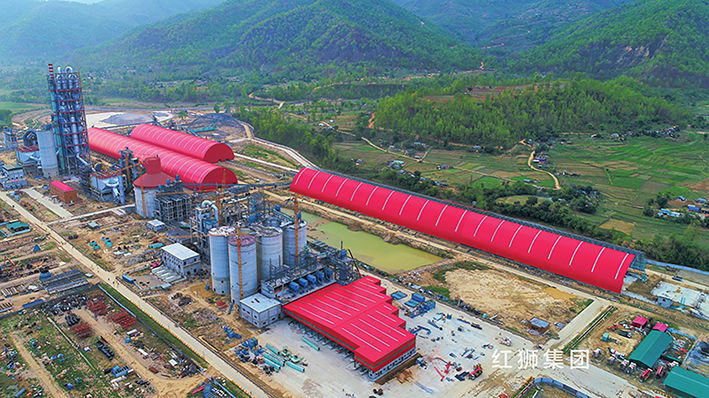
Nepal’s cement exports, a key contributor to the country’s export basket, declined sharply by 92 per cent last month, largely due to delays in the release of government cash subsidies on exported goods.
According to the Department of Customs, Nepal exported just 34,833t of cement worth Rs215.61m (US$1.49m) to India between mid-November and mid-December, including 16,182t of clinker. This compares with exports of 430,805t of cement, including 407,055t of clinker, valued at Rs378.42 m during the same period last fiscal year.
Tara Prasad Pokhrel, vice-president of the Cement Manufacturers’ Association of Nepal, said exporters scaled back shipments after subsidy payments were delayed. Rising supply costs further pressured manufacturers to curb exports.
Previously, the government offered cash subsidies of 4–8 per cent on exports, with eligibility limited to companies exporting goods worth more than Rs500m. Firms with over 70 per cent value addition qualified for the maximum subsidy. Nepali cement producers typically use 75–80 per cent local raw materials and had been receiving annual subsidies of Rs 200–250 m.
Nepal began exporting cement to India in July 2022. In FY23-24, cement and clinker exports reached Rs3.85 bn, nearly three times higher YoY. The country has more than 50 cement plants with a combined capacity of 22Mt. The government has indicated it will clear pending subsidy dues of Rs5.34bn.
Handpicked stories, in your inbox
Our editors pick the top news delivered to your inbox. Sign-up today!