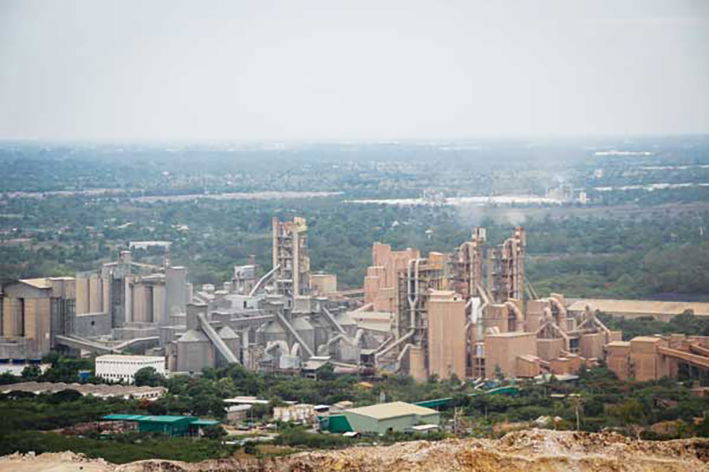
Green public procurement (GPP) in Thailand is evolving from an environmental policy tool into a key economic mechanism supporting the country’s shift towards a low-carbon economy. By using government spending to stimulate demand for low-carbon goods and services, GPP is accelerating industrial transformation, particularly in the construction and building materials sector, one of Thailand’s largest sources of investment and employment.
The Comptroller General’s Department (CGD), which oversees public procurement, has continued to strengthen GPP policies while upgrading the electronic government procurement (e-GP) system. The enhanced platform improves transparency, traceability and accountability, and is designed to systematically support the procurement of environmentally friendly products, with backing from domestic and international partners.
On the industry side, the Thai Cement Manufacturers Association (TCMA) is translating GPP policy into practice. Working with cement producers nationwide, TCMA has promoted the production and use of hydraulic cement, a low-carbon product already registered as environmentally friendly.
These efforts align with the Thailand 2050 Net Zero Cement and Concrete Roadmap and are supported by international collaboration under the Decarbonisation of Cement and Concrete Sectors in Thailand project, implemented by UNIDO with support from Environment and Climate Change Canada.
Between 2023 and 2025, wider use of hydraulic cement is estimated to have cut emissions by more than 2.3Mt of CO2. TCMA vice-chairman Pakorn Leopairut said green public procurement sends a clear market signal, helping reduce emissions while strengthening competitiveness and supporting Thailand’s Net Zero 2050.
Handpicked stories, in your inbox
Our editors pick the top news delivered to your inbox. Sign-up today!