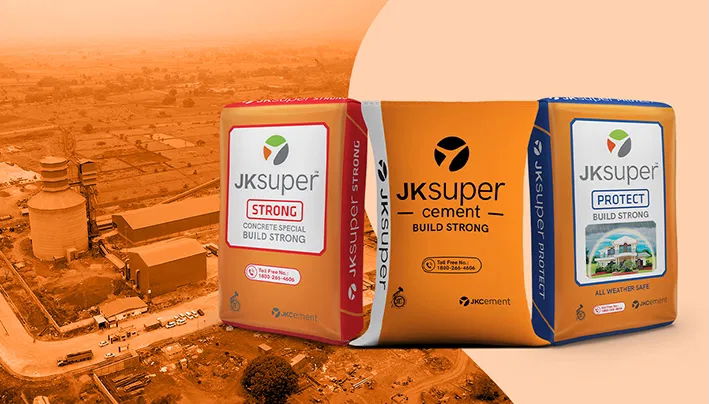
JK Cement has commissioned 1.0Mta of new grinding capacity each at its Panna and Hamirpur plants, lifting total installed cement capacity to approximately 28.3Mta, including the recently acquired Saifco assets. The additions mark steady progress in the company’s expansion programme and support its medium-term goal of reaching around 31Mta by the end of FY26, with an ambition to double capacity to about 50Mta by 2030.
Against this backdrop of capacity growth, JK Cement delivered another soft operating performance in 3QFY26, as pricing pressures offset strong volume growth, according to BNP Paribas Equity Research. Consolidated EBITDA was approximately INR5.6bn (US$61.58m), marginally ahead of internal estimates but below broader market expectations.
Cement sales volumes increased 22 per cent YoY to 6.0Mt, driven by a 23 per cent rise in grey cement volumes and continued growth in white cement, reflecting robust dispatch momentum across core markets.
Profitability, however, was constrained by weaker realisations. Blended realisations declined four per cent quarter-on-quarter and three per cent year-on-year, largely due to a sharp rise in the non-trade sales mix to around 40 per cent, compared with 33 per cent in the previous quarter, alongside a lower GST-linked subsidy incentive. As a result, EBITDA per tonne stood at INR928, down seven per cent YoY, despite a sequential improvement.
Cost controls provided partial mitigation. Operating costs per tonne fell six per cent quarter-on-quarter, benefiting from operating leverage and lower raw material and fuel costs, although freight expenses edged higher. Fuel costs eased slightly following changes in product mix, while green energy accounted for more than 50 per cent of year-to-date power consumption, consistent with longer-term sustainability targets.
Looking ahead, JK Cement’s 3Mta split grinding unit in Bihar remains on track for commissioning in 4QFY26, while the Jaisalmer integrated plant is scheduled for 1HFY28, underpinning long-term volume growth and regional logistics optimisation.
Handpicked stories, in your inbox
Our editors pick the top news delivered to your inbox. Sign-up today!