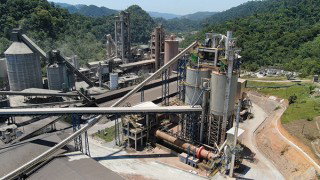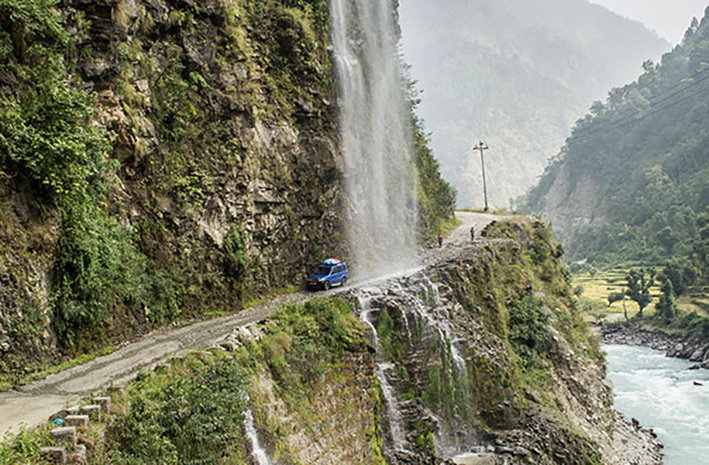
Bagmati Province Chief Minister Indra Bahadur Baniya has called for greater use of domestically produced cement in road construction, advocating a shift away from asphalt pavements to cement concrete roads in Nepal. He said such a move would help reduce reliance on imported bitumen, support local industries and contribute to a more self-reliant and sustainable economy.
CM Baniya made the remarks while inaugurating a one-day training programme on the design and construction of cement concrete pavements, organised by the Nepal Cement Manufacturers Association with facilitation from IPTM Nepal Pvt Ltd. The programme focused on promoting sustainable road infrastructure development across the country.
During the event, the chief minister stressed that the use of domestic raw materials was essential for achieving long-term economic resilience. He noted that replacing bitumen with cement in road construction would not only strengthen the local cement industry but also help lower Nepal’s trade deficit. He also pledged closer collaboration between the provincial government and cement producers, and said such initiatives would be prioritised in the upcoming provincial budget.
Echoing these views, Association chairperson Raghunandan Maru highlighted the importance of durable road infrastructure, noting that over 90 per cent of goods and passenger transport in Nepal relies on road networks. While acknowledging that concrete pavements have higher initial costs than asphalt roads, he said they offer lower maintenance costs, greater durability and improved reliability over their service life.
Maru added that Nepal imports bitumen worth more than NPR11bn (US$74.7m) annually, underlining the economic case for expanding the use of locally produced cement in road construction.
Handpicked stories, in your inbox
Our editors pick the top news delivered to your inbox. Sign-up today!