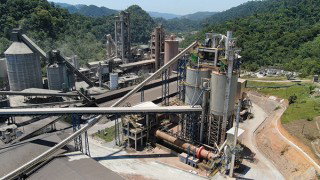
Uzbekistan’s cement production rose 12.9 per cent YoY to 20.2Mt in 2025, but the increase was driven largely by exports rather than stronger domestic demand, according to a review by Avesta Investment Group.
Installed capacity stood at around 40.5Mta across 42 plants, leaving the industry operating at just under 50 per cent utilisation, up from 45.1 per cent in 2024. Avesta describes the domestic market as “structurally oversupplied”, noting that higher utilisation reflected export growth rather than a meaningful acceleration in local consumption.
Domestic cement demand was broadly stable at 18.8Mt in 2025, compared with 18.4Mt in 2024. By contrast, exports increased sharply from around 0.2Mt to nearly 1.5Mt, becoming the primary driver of output growth. Imports fell almost 90 per cent YoY to 66,000t in the first nine months of 2025.
Industry participants cited in the report said export gains were driven mainly by low prices rather than structural growth in external markets, raising questions over sustainability.
The expansion of capacity in recent years has reshaped the competitive landscape. Established producers such as Qizilqumsement, Bekabadcement and Kuvasaicement have seen output decline from 2019 levels, while newer entrants – largely Chinese-backed – have increased market share.
Pricing remains under pressure. Although prices typically rise during the May-September construction season, they remain significantly below historical US dollar levels. Government measures, including reducing the mandatory share of output sold via the commodity exchange and cutting the limestone tax rate, have not restored sustained pricing power.
Avesta concludes that the sector’s recent recovery appears cyclical rather than structural, with profitability still well below pre-oversupply levels and investor confidence subdued.
Handpicked stories, in your inbox
Our editors pick the top news delivered to your inbox. Sign-up today!