Industrial gas leader Linde identifies cement plants as a critical future source of high-grade CO2 as traditional supply chains from ammonia and hydrogen plants decline. Speaking on the CAP2U joint venture with Heidelberg Materials, Dr Thomas Tork noted that conventional sources are becoming less reliable due to energy market volatility and the shift toward electrolysis.
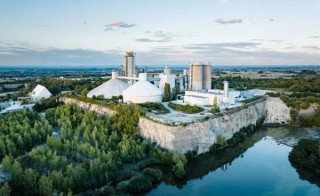
Unlike chemical plants that often shutter for summer maintenance, cement facilities provide a stable supply that aligns with peak seasonal demand in the food and beverage sectors. The CAP2U pilot in southern Germany currently captures and liquefies 70,000tof CO2 annually, meeting roughly six per cent of the German market.
The project highlights a looming supply gap. While Germany currently uses 1.2m tonnes of CO2 per year, demand for carbon as a feedstock for e-fuels and synthetic chemicals is projected to reach 10Mt by 2035 and up to 150Mt by mid-century. Because two-thirds of cement emissions stem from the chemical transformation of limestone rather than fuel use, carbon capture is considered the only viable path to decarbonisation for the sector.
The CAP2U facility utilises amine-based post-combustion technology and repurposes waste heat from the cement plant to power operations. However, economic hurdles remain. Tork pointed out that capture costs currently exceed EUR200/t, significantly higher than EU Emissions Trading System prices of EUR80 to EUR90/t. Closing this gap will likely require policy interventions, such as carbon contracts for difference, to de-risk long-term investments.
Handpicked stories, in your inbox
Our editors pick the top news delivered to your inbox. Sign-up today!