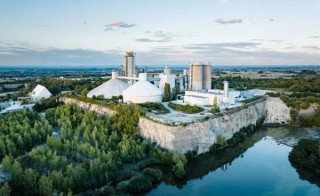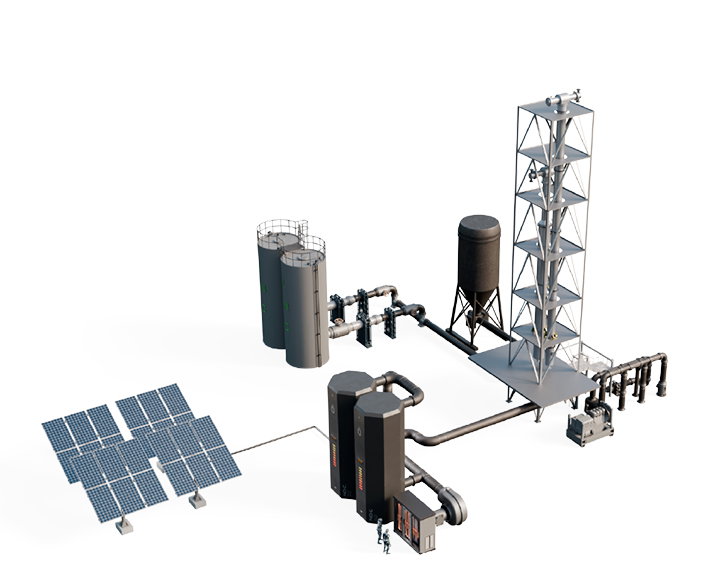
The cement industry, historically reliant on fossil fuels, is exploring a new "hybrid" approach to decarbonisation through electrification. NOC Energy, a startup that recently raised US$2.7m in seed funding, has developed an electric heating system designed to bolt onto existing production facilities. This technology allows plants to incorporate electric heat into kilns and other critical stages of the cement manufacturing process without abandoning traditional fuel sources.
The system uses induction heating, where copper coils generate magnetic fields to heat steel spheres within insulated ceramic containers. Air blown through these spheres carries heat reaching 1200°C—with targets for 1500°C—to the plant. Unlike resistive heaters, which degrade rapidly at high temperatures, NOC’s coils remain at room temperature, extending the equipment's lifespan.
This hybrid model addresses two major hurdles for the sector: cost and reliability. By maintaining fossil fuel capabilities, operators can switch back to gas or coal if electricity prices spike or supply becomes unstable. Furthermore, the system’s ability to store thermal energy for hours allows producers to perform price arbitrage, drawing power when renewable energy is abundant and cheap, then using the stored heat during peak hours.
NOC is currently deploying demonstration systems at cement and glass facilities in France, with operations scheduled to begin in May 2026. For cement producers facing mounting pressure to reduce emissions, this technology offers a practical pathway to "derisk the future" by balancing environmental goals with operational flexibility and geopolitical energy security.
Handpicked stories, in your inbox
Our editors pick the top news delivered to your inbox. Sign-up today!