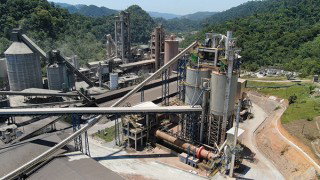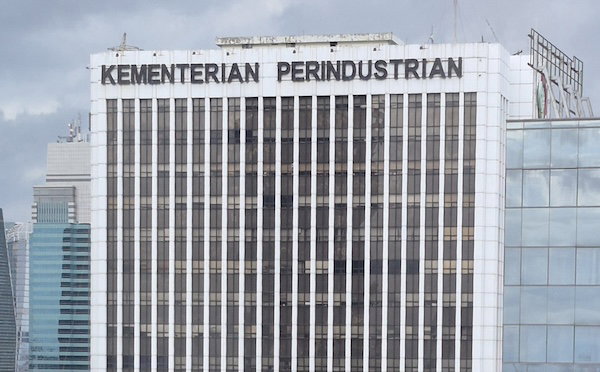
Indonesia’s Ministry of Industry has reported declining emissions in the country’s cement sector, as it advances plans for a formal decarbonisation roadmap aligned with its net zero emissions (NZE) target for 2050.
According to the ministry, the clinker factor has fallen to 68.1 per cent from a 2010 baseline of 81 per cent, while the thermal substitution rate (TSR) has increased to 12.58 per cent from three per cent. Specific emissions have also declined to 566.3kg of CO2 per tonne of cement, compared to 724kg/t previously.
Industry minister Agus Gumiwang Kartasasmita said the cement sector remains a key focus of Indonesia’s wider decarbonisation strategy, citing its scale and strategic importance. The country has a total installed cement capacity of around 121.66Mta, making it the largest producer in Southeast Asia.
The ministry is currently developing a sector-specific decarbonisation roadmap, with an emphasis on emissions reduction prior to neutralisation measures. Policy measures include improvements in energy and raw material efficiency, increased use of alternative fuels and materials, process optimisation, electrification and the potential deployment of carbon capture technologies.
The initiatives are being supported through the government’s Making Indonesia 4.0 programme and the implementation of Green Industry Standards aimed at improving efficiency and sustainability across the sector.
Handpicked stories, in your inbox
Our editors pick the top news delivered to your inbox. Sign-up today!