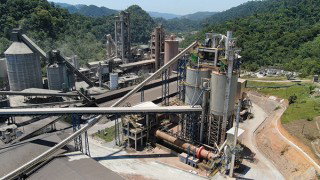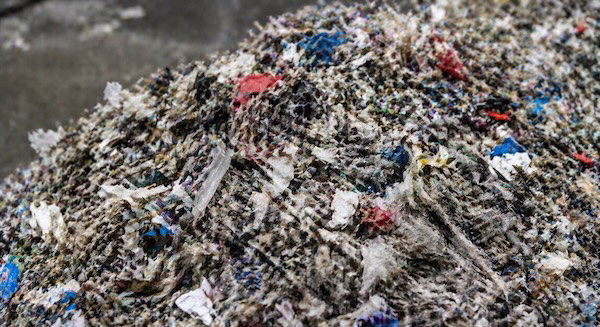
Ireland’s cement industry has outlined plans to reduce fossil fuel consumption by up to 90 per cent over the next 15 years through increased use of solid recovered fuel (SRF) in kiln operations.
A new report commissioned by Cement Manufacturers Ireland (CMI) and prepared by consultancy SLR indicates that the sector used approximately 325,000t of SRF in 2024. The four cement kilns operating in the Republic currently source SRF primarily from commercial residual waste streams.
According to the report, the cement industry accounts for around 22 per cent of residual waste treatment through SRF recovery.
Ireland is estimated to have the capacity to produce around 430,000t of SRF annually, largely supplied by major waste operators Beauparc/Panda and Thornton’s. However, the report suggests this could increase to as much as 860,000t with appropriate investment and regulatory support.
The study also highlights potential constraints, noting that evolving EU and national recycling targets may reduce the availability of non-recyclable materials used in SRF production. In addition, demand for SRF remains closely tied to cement output, leaving the market exposed to cyclical changes in construction activity.
CMI has called for greater coordination between government, waste authorities and research bodies to address regulatory and market challenges. “Addressing legislative challenges, market fluctuations and operational risks will be critical for the future success of SRF in decarbonising the cement industry,” said CMI chairman David O’Brien.
Handpicked stories, in your inbox
Our editors pick the top news delivered to your inbox. Sign-up today!