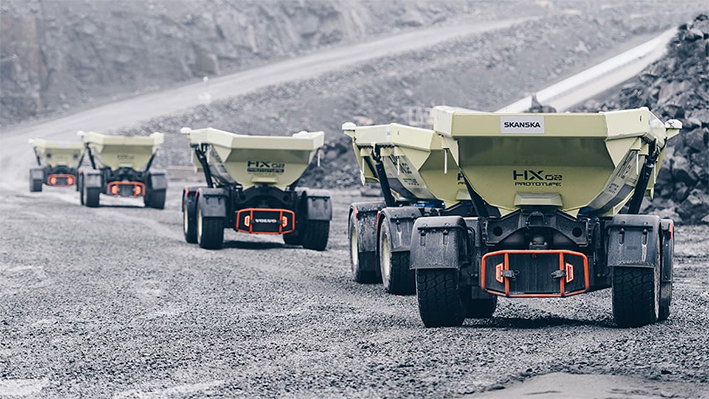
Heidelberg Materials is expanding its use of autonomous heavy machinery across its international operations following a successful pilot project in Texas. The company plans to deploy approximately 30 autonomous vehicles by 2026, targeting six specific sites across North America, Australia, and Europe. This expansion involves two distinct vehicle types and utilises advanced sensors and artificial intelligence to navigate complex industrial environments.
The rollout includes new autonomous haulage projects in Indiana and Texas, as well as the company’s first such initiatives in Western Australia and New South Wales. Additionally, Heidelberg Materials will debut an autonomous wheel loader trial at a sand and gravel site in Northern Germany. These systems are designed to integrate seamlessly into existing fleets, offering a scalable method to modernise heavy mobile equipment while improving safety and operational consistency.
Axel Conrads, the Chief Technical Officer at Heidelberg Materials, noted that advancing automation is a fundamental part of the company's technical strategy to improve internal processes. By working with specialised technology partners, the global deployment team aims to scale these AI applications in a disciplined manner. This current phase serves as a stepping stone toward a more ambitious long-term goal of operating over 100 autonomous vehicles by the end of 2028.
Handpicked stories, in your inbox
Our editors pick the top news delivered to your inbox. Sign-up today!