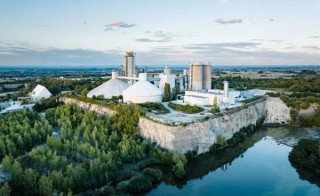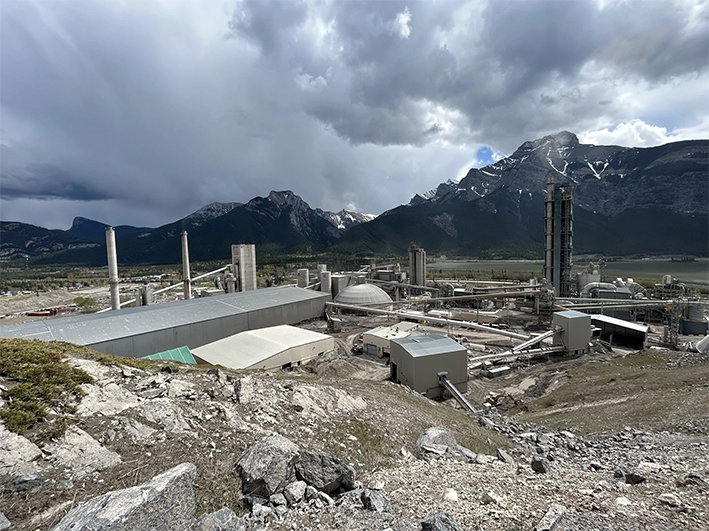
Justice CD Simard of the Alberta Court of King’s Bench has approved a class action lawsuit application brought forward by former Exshaw resident Sarah Furlonger against the nearby Lafarge Canada Inc plant. Although Furlonger has since moved away from the hamlet, her family members currently live in her previous residence, located roughly 500m from the industrial facility.
According to judicial records, Furlonger noted that the facility, now operating under the name Amrize Canada Inc, underwent a major expansion in 2016 to become the largest cement plant in the country. She alleges that the expanded Exshaw site releases massive amounts of destructive fine powder, which contains fly ash, limestone, Portland cement, and various mineral particles. Alongside the heavy dust accumulation, her complaints detail disruptive noise, unpleasant odours, and physical vibrations originating from the site.
The lawsuit claims this ongoing pollution has caused substantial damage to the personal and real property of local residents. The approved class of plaintiffs includes anyone who owned or occupied residential property in Exshaw or Lac des Arcs between 12 September 2016, and the date the lawsuit achieved certification. To support these claims, the plaintiffs submitted specialised affidavits from chemistry professor Dr Stephen Kinrade, who analysed regional dust samples, and property appraiser Garrett Watson, who assessed local real estate impacts.
Amrize actively challenged the credibility and impartiality of both experts, arguing that their testimonies could jeopardise a fair trial. However, Justice Simard chose to admit the evidence from both witnesses for the current proceedings.
In its defence, Amrize argues that the lawsuit is weak and lacks merit. The company maintains that its operations have been entirely reasonable and that no clear evidence connects its plant activities to the alleged property damage.
Justice Simard clarified that it is too early in the litigation process to rule on the validity of the claims from either side. He noted that the current evidence does not prove the case is time-barred or that the plaintiffs will fail to establish damages. Finding the proposed litigation plan workable, the judge cleared the case to proceed, with both legal teams scheduled to return to court this summer to outline the next steps.
Handpicked stories, in your inbox
Our editors pick the top news delivered to your inbox. Sign-up today!