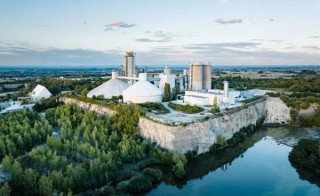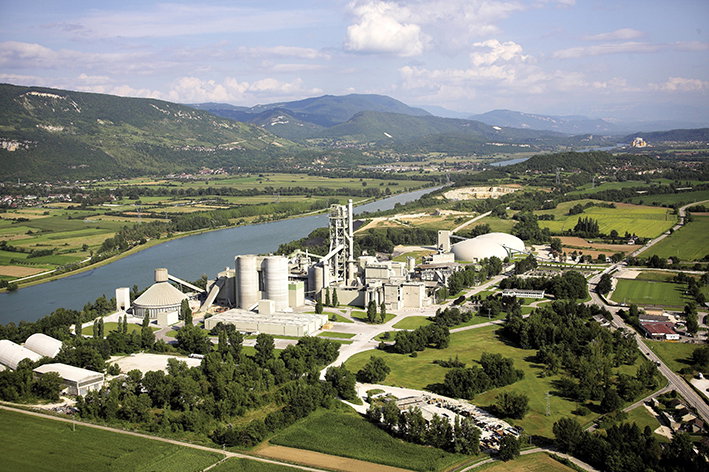
The Vicat Group has reaffirmed its commitment to the energy transition in France with two major projects: the complete defossilisation of its Xeuilley site and the deployment of a high-temperature electrolyser at Montalieu. Supported by ADEME and French industrial partners, these investments position Vicat as a key player in energy sovereignty.
At its Xeuilley site, Vicat has reached a historic milestone by electrifying the hot gas generator of the raw meal mill – the final piece of equipment still dependent on fossil fuels. Unlike the main kiln, which is already powered completely by alternative fuels, this mill requires a dedicated generator to dry raw materials, making it incompatible with existing substitutes.
In late 2025, a feasibility study, 60 per cent co-financed by ADEME, identified the optimal solution: electrifying the furnace and coupling it with high-temperature heat storage above 900°C. Developed alongside Lille-based startup NOC, this system manages the intermittency of renewable energy and optimises costs linked to electricity variability. The EUR7.5m investment (excluding the RTE connection) boosts the site's electrical capacity from 13MW to 28MW.
This project prevents the release of 12,000t of CO2 annually (based on 2025 levels), representing an 80 per cent reduction in emissions from the grinding-drying unit. Vicat has already replaced fossil fuels by recovering regional energy waste, improving its overall energy performance by 30 per cent over the last 20 years.
As part of the ADEME IDH2 project, Vicat – partnering with GENVIA and EDF – plans to deploy a 1MWe high-temperature electrolyser at its Montalieu-Vercieu site in Isère to produce 600kg of hydrogen daily. Based on GENVIA's H-Pod technology, this demonstrator marks an industrial first for the French nuclear-SOEC (Solid Oxide Electrolyser Cells) sector, aligning with national energy objectives.
The CO2 captured through the VAIA project at France's largest cement plant in Montalieu will combine with hydrogen from the electrolyser to manufacture synthetic e-fuels. The chosen cryogenic capture technology relies primarily on electrical energy, while the hydrogen will be produced using low-carbon electricity from the French grid.
Vicat has adapted its operations to offer a flexible electricity consumption profile that aligns with renewable energy availability. Thermal requirements for cement production are met across three distinct levels. For drying at 200°C and thermal clay activation at 1000°C, the company utilises electric resistive heating solutions in partnership with NOC. For high-temperature clinkerisation above 1500°C, the company is currently developing advanced systems that utilise plasma torches or hydrogen flames.
This strategic approach eliminates the need for expensive energy storage infrastructure while optimising costs to ensure economic viability. This comprehensive action plan directly answers France's demand for energy sovereignty whilst building valuable domestic industrial expertise.
Handpicked stories, in your inbox
Our editors pick the top news delivered to your inbox. Sign-up today!