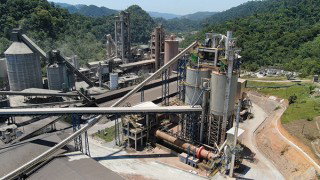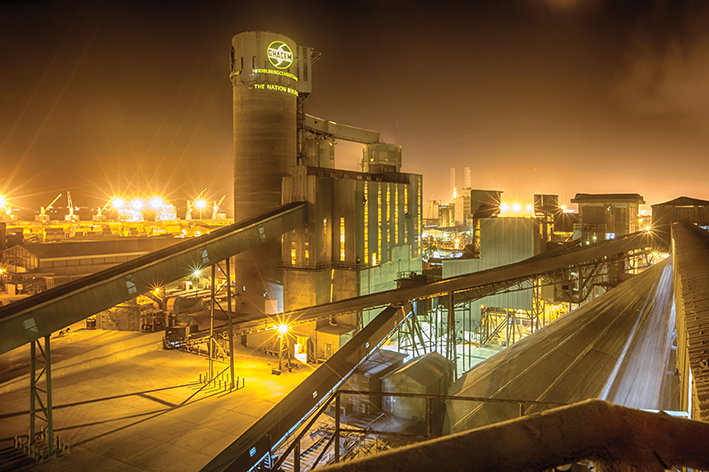
The Chamber of Cement Manufacturers, Ghana has called for a strategic transformation of the national cement industry, urging stakeholders to reduce their heavy reliance on expensive imported clinker and embrace sustainable, locally driven production methods. Chamber Chairman Frederic Albrecht highlighted that while domestic clinker manufacturing remains unfeasible due to limited limestone reserves, importing the material has become increasingly expensive because of volatile global fuel prices, port congestion, and supply chain disruptions.
To address these challenges, the chamber is pushing for a new production model that reduces clinker ratios and increases the adoption of alternative local raw materials like clay. This shift aims to lower manufacturing costs, improve market competitiveness, and reduce pressure on foreign exchange reserves. Local manufacturers such as CBI and Ghacem are already pioneering this transition with lower-clinker products.
Minister of Trade, Agribusiness and Industry Elizabeth Ofosu-Adjare supported the initiative, emphasising that the country's growing infrastructure and industrialisation agenda require affordable, sustainable materials. Establishing these alternative production systems is expected to take about three years, demanding long-term planning, investment, and strong collaboration between the government and industry players.
Handpicked stories, in your inbox
Our editors pick the top news delivered to your inbox. Sign-up today!