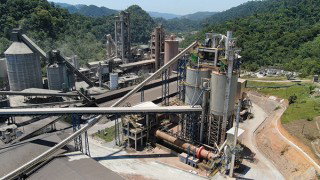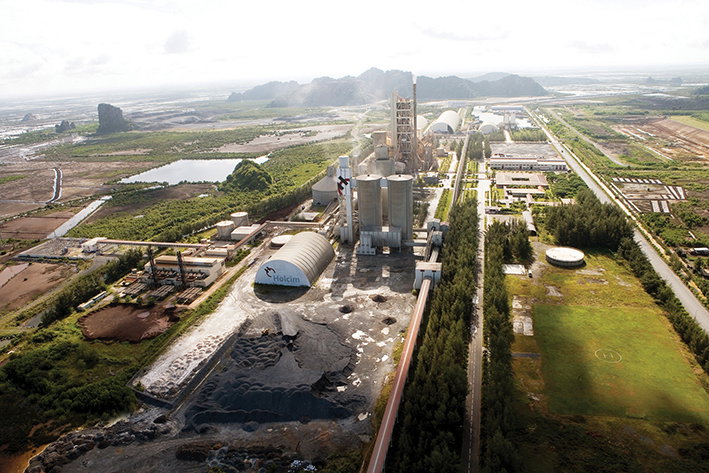
Despite a global surge in demand from the Middle East and South America, cement manufacturers in central Vietnam are missing out on major export opportunities. The region stretching from Nghe An to Quang Tri features massive production capacities, convenient seaport access and highly competitive export prices, yet local factories struggle to convert these geographic advantages into lucrative export contracts. Central Vietnamese cement is priced significantly lower than in other areas of the country, making it highly attractive to international markets.
However, the primary barrier to capitalising on this momentum is a lack of international trade expertise. Unlike domestic sales, global transactions require specialised skills in handling large volumes, managing international payments through letters of credit, and mitigating foreign trade risks. Many factories continue to rely on in-house domestic sales teams rather than specialised trading firms. Consequently, a massive gap has formed between production potential and actual export performance. This missed opportunity comes at a critical time when international buyer inquiries for Vietnamese cement have nearly doubled. To secure these contracts and support related regional material sectors, local producers must urgently improve global trading capabilities, transaction management and buyer outreach networks, according to Vietnam News.
Handpicked stories, in your inbox
Our editors pick the top news delivered to your inbox. Sign-up today!