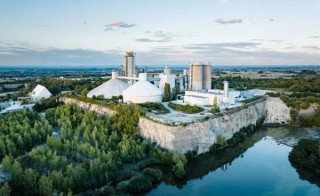
The Thai Cement Manufacturers Association (TCMA) has launched a pilot project to test carbon capture technology in the country's cement industry as part of a Thailand-Canada collaboration to support the sector's transition to net zero by 2050.
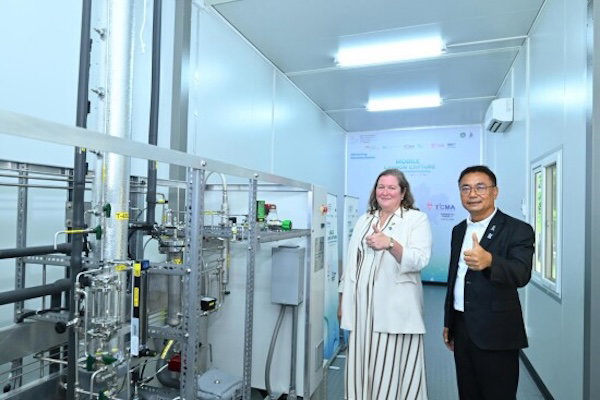
The initiative will see a Mobile Carbon Capture Unit (MCCU), developed by the University of Regina's Clean Energy Technologies Research Institute (CETRI), deployed in Thailand for the first time to evaluate its performance under real operating conditions at cement plants.
The project is funded by the Government of Canada through Environment and Climate Change Canada (ECCC), with the United Nations Industrial Development Organization (UNIDO) acting as the implementing agency.
The MCCU will be rotated between TCMA member plants in Saraburi province under the "Saraburi Sandbox" initiative, a public-private partnership that aims to accelerate the deployment of low-carbon technologies and assess future investment opportunities for carbon capture.
TCMA Honorary Chairman Chana Poomee said carbon capture would be essential for decarbonising hard-to-abate industries such as cement and stressed that international collaboration, supportive policy and technology transfer would be critical to achieving Thailand's Net Zero Cement and Concrete Roadmap by 2050.
The project also includes collaboration with Chulalongkorn University to support research, technology transfer and workforce development for carbon capture technologies.
Handpicked stories, in your inbox
Our editors pick the top news delivered to your inbox. Sign-up today!