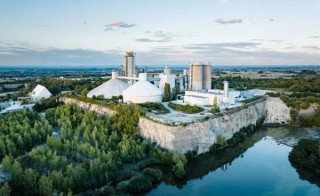
The US State Department of Environmental Conservation has released a 92-page document answering public comments on the Lafarge Building Materials proposal to burn old tyres to fire its Ravenna cement plant across the Hudson from northern Columbia and southern Rensselaer counties. The entire application, which includes a draft permit and the public comments, were sent to the federal Environmental Protection on Feb. 23, according to DEC spokesman Rick Georgeson. The EPA will give the plan a final review and has 45 days to register any objections. "If they (EPA) have any concerns, we have to address those before issuing a permit," said Georgeson. "Barring any unusual circumstances, we plan to issue a permit at the end of 45 days." The DEC document addresses 301 oral and written comments, one of which came with 1,189 signatures attached.
Tyres for the Lafarge plant are to come from within a 200-mile radius of the Ravena plant, and Lafarge will not be permitted to burn tyres during startup, shutdown or during a kiln malfunction. Tyres can amount to no more than 20 per cent of the total fuel used to fire the cement kiln
The DEC does not appear to have found any objections that had not been addressed prior to the public comment period. But Susan Falzon, executive director at Friends of Hudson, said her group may mount a legal challenge to approval of the plan, depending on the content of the draft permit. Friends of Hudson lawyer Jeff Baker is expected to see the application and the draft permit within the next few days. "We’re confident that the findings of our experts had merit, and if we need to take further steps we will," said Falzon.
Opponents of the proposal who live on the east side of the Hudson fear pollution from the plant will be blown their direction by the prevailing winds.
The DEC has required Lafarge to conduct baseline stack tests for small particles of pollution called PM10 as well as PCBs, metals, fluoride, ammonia, sulphur dioxide, carbon monoxide, dioxins, furans and other emissions. "Lafarge will be held to their predicted emissions estimates as their permit application will be incorporated by reference into their permit," the Responsiveness Summary states in response to a comment by Baker.
If actual operating results are not acceptable, the DEC states, "the percent tyre supplement may be reduced and/or additional permit conditions monitoring kiln operating parameters will be written to ensure proper operation and combustion during the firing of tyres in the kiln and subsequently, adequate environmental and public health protection."
Many comments noted that the Ravena plant has a history of non-compliance with existing air permits, whether caused by equipment malfunctions, poor monitors, inadequate operating procedures, or human error. But the department responds that some of the specific instances cited occurred prior to Lafarge’s taking ownership of the facility in mid-2001, and that compliance has improved significantly since then.