Holcim’s acquisition of a majority stake in Peru’s Cementos Pacasmayo, completed earlier this week, appears a strategically sound move. Data compiled for the forthcoming 16th edition of The Global Cement Report suggests Peruvian cement consumption will recover steadily over the next few years, reaching 13.77Mt by 2027. However, the attraction of the market lies less in rapid growth than in its underlying structure—and the opportunities this presents for a well-positioned operator.
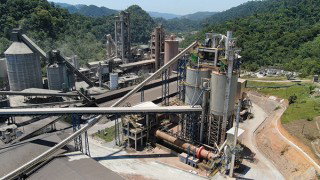
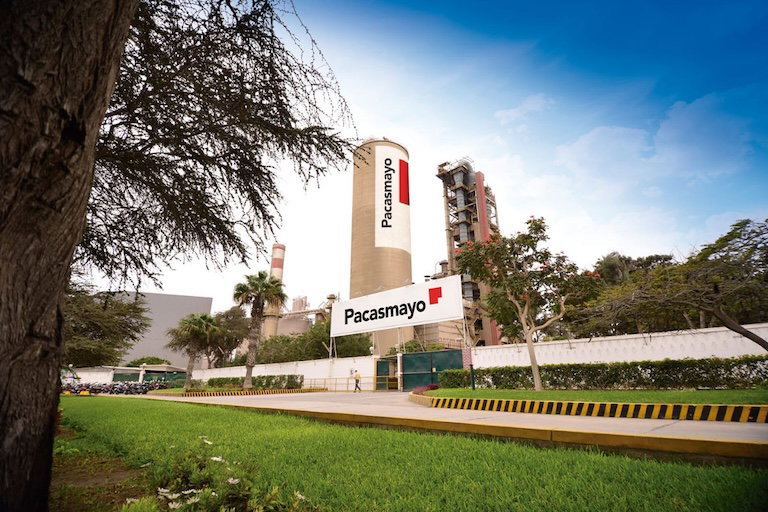
Cementos Pacasmayo controls around a quarter of the domestic market and its three plants – Pacasmayo, Piura and Selva (Rioja) – have a combined cement capacity of 4.94Mta. All are well-equipped and with a current utilisation rate of around 58 per cent, there is ample scope to increase production without significant capital expenditure. In addition, Holcim gains control of 28 ready-mix and precast facilities, complementing its 2024 acquisitions of Mixercon, Compañía Minera and the Comacsa white cement plant.
Peru is not a capacity-constrained market. National utilisation rates remain close to 55 per cent, reflecting subdued demand in recent years. Cement consumption declined sharply in 2023 and remained broadly flat in 2024, as political instability, weak consumer confidence and a slowdown in self-construction weighed on activity. At the same time, imports have risen significantly, particularly for clinker, underscoring growing cost pressures and the increasing integration of Peru into global cement trade flows.
Regional split
Peru's cement sector is highly regionalised. The central market, anchored by Lima, is dominated by Unión Andina de Cementos SAA (UNACEM), while the south—including Arequipa, the country’s second-largest city—is led by Cemento Yura SA, part of the Gloria conglomerate. Pacasmayo, by contrast, is firmly rooted in the north. Peru's topography plays a decisive role with the Andes representing natural barriers that put limitations on infrastructure and the economic viability of transporting cement.
This regional segmentation both defines and constrains Holcim’s opportunity. Much has been made of Peru’s widely cited US$100bn infrastructure gap but although the government’s National Infrastructure Plan 2026–31 points to significant long-term demand potential, the benefits will be unevenly distributed. The plan prioritises 72 strategic projects across transport, logistics, water and energy, but these are spread across the country. Pacasmayo’s northern hinterland is therefore likely to capture only a limited share of this pipeline, even under favourable conditions.
Moreover, infrastructure-led growth in Peru is subject to persistent execution risk. The country’s political environment remains volatile, with the first stage of presidential elections taking place later this month. Although macroeconomic performance has been relatively resilient, institutional deadlock, social unrest, regulatory inconsistency and a weak tax base continue to weigh on investor confidence and project delivery. In practice, this results in a stop-start pattern of infrastructure development, rather than a smooth expansion trajectory.
Consolidation
Against this backdrop, Holcim’s strategy appears less focused on increasing cement volumes than on strengthening its position within the construction value chain. The acquisition of Pacasmayo provides not only production capacity but also a well-established distribution network and downstream capabilities. This aligns with Holcim’s broader shift towards becoming a provider of integrated building solutions, rather than a pure cement producer.
The company’s existing activities in Peru offer some indication of this approach. As noted by Holcim Peru CEO Norberto Ledea, the group has already played a role in major projects such as the expansion of Jorge Chávez International Airport in Lima—primarily through its ready-mix concrete operations. This emphasis on downstream products and services suggests that Holcim’s growth strategy in Peru will centre on capturing higher-value segments of the market, rather than simply increasing clinker output.
There is also scope for operational optimisation. With Pacasmayo’s plants running well below capacity, incremental gains in utilisation could translate into meaningful volume growth without the need for large-scale investment.
Supplementary cementitious materials (SCMs) could also have a role to play. Northern Peru is relatively well-suited to the development of calcined clay-based systems, given the availability of suitable clay deposits and existing industrial know-how. This could support further reductions in clinker factor, building on Cementos Pacasmayo’s stated target of lowering this below 70 per cent by 2030 and aligning with Holcim's NextGen Growth 2030 strategy.
Handpicked stories, in your inbox
Our editors pick the top news delivered to your inbox. Sign-up today!