The carbon market has gone from a long-term uptrend into a broad consolidation phase, awaiting the political decisions from the July EU meeting. Pressure to relax or suspend the EU-ETS, which led to sharp falls to EUR60, has been pushed back by the Commission and most EU countries, maintaining the green priority of the system. However, trading fell to 50 per cent on average and several speculative players have reduced the so-called “long bets” in the markets as uncertainty spread. The demand for EUA also fell with a reduction in industrial emissions and warmer European weather.
In May Germany released a major support for industrial decarbonisation, the Carbon Contract for Difference (CCfD), which is offering a 15-year contract to heavy industry companies, including the cement sector, that replace fossil fuels with low-carbon processes. CCS/CCU and hydrogen-based processes and even biomass may be included. Awareness is growing of the CBAM default values for certain countries and a lack of accredited CBAM verifiers could lead to higher default values being used and the wrong CBAM fees to be paid.
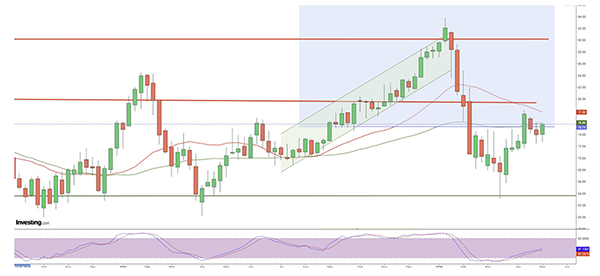
The Dec 2026 contract is up three per cent at EUR75.50 and a range of EUR 70-78 is expected over the next month. The long-term EUA price for 2030 has increased by six per cent to EUR87. The UK Allowance (UKA) December 2026 contract has rallied 15 per cent to GBP48 (EUR56). Brannvoll ApS widens our forecasts to a range of EUR60-95 in 2026 with an average of EUR80 for the Dec 26 contract. The average is expected to be lower depending on outcome of July meeting.
by Frank O. Brannvoll, Brannvoll ApS, Denmark
Handpicked stories, in your inbox
Our editors pick the top news delivered to your inbox. Sign-up today!