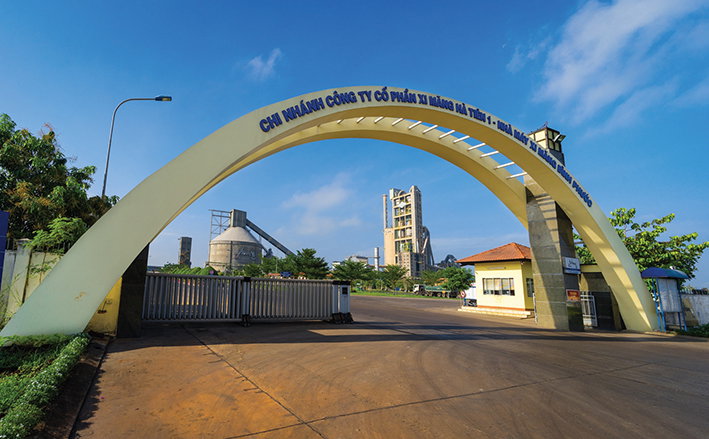
Elevated costs for cement, sand, and stone continue to pressure the Vietnamese construction sector, even as the broader building materials market shows early signs of moderating. Strong demand from major public transport infrastructure projects entering peak construction phases is expected to keep these essential materials expensive throughout the latter half of the year. This ongoing upward trend stands in contrast to the steel sector, which has recently implemented its first price cuts of the year to stimulate a cautious residential building market.
The sustained financial pressure from cement follows multiple price hikes earlier in the year, driven by rising input costs for electricity and coal. Similarly, prices for sand and stone have climbed substantially from their levels at the start of the year.
Localised supply shortages, worsened by tighter government regulations on mineral extraction and local mining licences, have made these natural materials highly volatile and structurally difficult to source compared to industrially manufactured goods.
In contrast, contractors have found temporary relief through recent price adjustments in the steel market. Major producers, including Hoa Phat Steel Pipe and Viet Duc Steel Plant, have lowered rates for products like rebar and wire rod, with the most significant reductions recorded in the central region.
These cuts follow a highly volatile period featuring multiple rounds of steel price increases over the first five months of the year.Industry experts predict clearer differentiation between these material groups as the market stabilises at new levels. While the approaching rainy season is expected to slow general building activity and keep steel prices soft, the demand from state-funded investment projects will likely keep cement and aggregate prices high. The market imbalance looks set to persist, leaving builders to navigate high masonry costs despite cheaper structural metal.
Handpicked stories, in your inbox
Our editors pick the top news delivered to your inbox. Sign-up today!