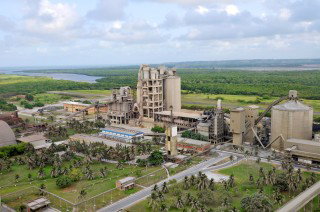
Cemex is hoping to raise between €2500m and €3200m from the disposals of cement and other building materials businesses in both the United States and in Europe, mainly to CRH, though some operations may go to other companies. In Europe, the talks involve the San Feliu cement works in the Spanish province of Catalonia and the aggregates, ready-mixed concrete and other downstream activities in Austria and in Hungary. The San Feliu plant is northern-most cement works that Cemex has in Spain and this would give CRH its first directly owned Spanish cement plant in an area where it already has very substantial downstream operations. This may, in turn, lead CRH to dispose of its 26.3% stake in the Valderrivas subsidiary Uniland, over which it has no management control. In Austria, Cemex is the market leader in ready-mixed concrete and in aggregates, operating 40 batching plants and 30 quarries. The Cemex subsidiary Danubiusbeton is the second largest ready-mixed concrete producer in Hungary, behind HeidelbergCement, as well as being an important supplier of aggregates there.
In the United States, the negotiations cover not just the disposals in Florida and Arizona required by the US government in the wake of the purchase of Rinker, but also two integrated cement works, the whole of the North American concrete pipes business, the operations in the Pacific North-West, Utah, Wyoming, Nebraska and New Mexico as well as in El Paso, Texas. In addition, the aggregates business in Kentucky and the plasterboard distribution activities in Florida are subject to the proposed deal. The two integrated cement plants concerned are northern-most cement works that Cemex has left in the United States, following the earlier disposals to Votorantim, and these are at Wampum, Pennsylvania and Fairborn, Ohio. Most of the other operations being sold come from Rinker and these disposals further underline the southern bias of Cemex’ US business.
With Rinker consolidated from the beginning of July, Cemex expects to achieve a turnover around 13% higher at around US$15,200m for the first nine months of the year and anticipates a 7% advance in the EBITDA to approximately US$3,350m and to approach US$4,800m for the full year. In the year to date, the group’s Mexican cement deliveries are around 4% higher and ready-mixed concrete are some 10% ahead. Helped by the Rinker effect, US cement volumes are down by about 10% for the year to date, with ready-mixed concrete volume being marginally ahead and aggregates sales volume approximately 46% higher. On a comparative basis, US volumes are down by 19% in cement, by 21% in concrete and by 12% in aggregates. In Spain, volumes are off by around 4% in cement and by 3% in ready-mixed concrete in the year to date, while strong volume increases have been seen particularly in Poland, Venezuela, Colombia and Croatia.