For millions of Nigerians, the goal of owning a home is moving out of reach as the cost of essential building materials skyrockets. By March 2026, the price of a 50kg bag of cement has surged to between NGN11,000 and NGN15,000 (US$7.95 and US$10.84), creating an impossible barrier for low and middle-income earners.
Architects and developers warn that this price hike is deepening the national housing deficit. Aliyu Oroji, former president of Redan, noted that escalating costs are pushing finished homes far beyond the reach of average citizens, forcing many into a cycle of permanent renting. In cities like Lagos and Abuja, property prices have jumped in tandem with construction costs, while stagnant wages fail to keep pace.
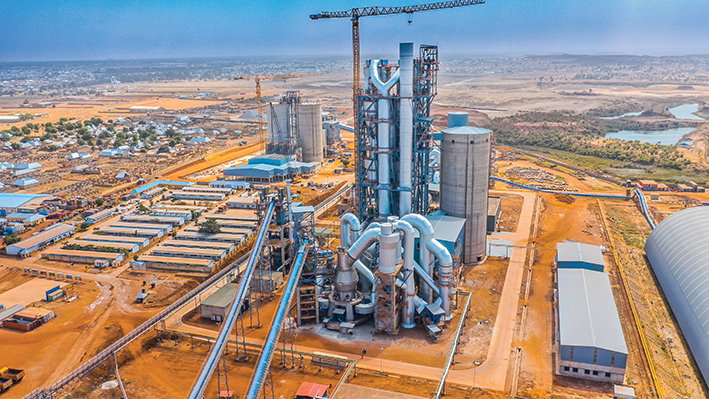
The Federal Government has called the situation unacceptable, especially since cement is produced using local raw materials. Critics point to market dominance by a few major manufacturers as a reason for the high prices, though producers blame rising energy and logistics costs.
The human impact is stark: from mechanics abandoning half-built bungalows to families downsizing their plans, the crisis is forcing many into informal, potentially unsafe housing. Without intervention, experts fear a generation of Nigerians will be permanently locked out of the property market.
TOPICS IN THIS ARTICLE
Handpicked stories, in your inbox
Our editors pick the top news delivered to your inbox. Sign-up today!