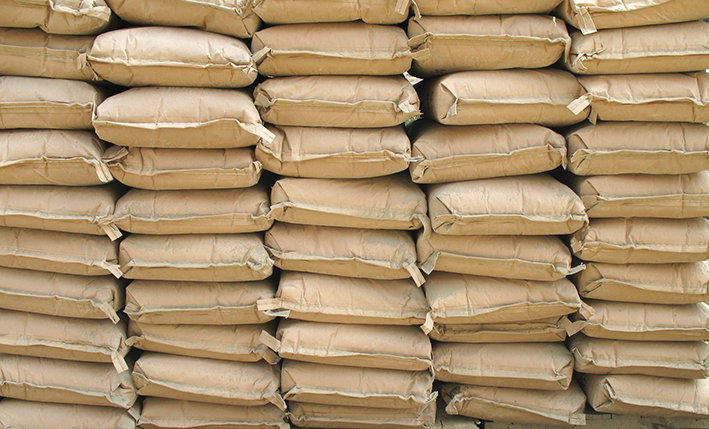
Bangladesh's cement industry is struggling as the Middle East conflict disrupts vital supply routes for raw materials like clinker and limestone. Because manufacturers rely on imports for roughly 90 per cent of their inputs, primarily from the Middle East, ongoing regional instability involving the United States, Israel, and Iran has caused production costs to jump by 30 per cent to 40 per cent.
This surge is compounded by a local energy crisis that has led to diesel shortages, further hampering the transport of goods.
Domestic demand remains weak, preventing producers from passing these higher costs onto consumers. Consequently, output has dropped by 20 per cent to 25 per cent. Retail prices for a 50kg bag now range between BDT470 and BDT550.In response, the Bangladesh Cement Manufacturers Association (BCMA) is urging the government for immediate tax reforms to ensure the sector's sustainability. Key proposals include reducing customs duty on clinker and lowering advance income taxes on essential inputs. BCMA President Mohammed Amirul Haque warns that without fiscal relief, the industry, which is currently operating well below its effective capacity, faces a significant growth slump that could threaten its long-term viability.
By Abdul Rab Siddiqi, Pakistan
Handpicked stories, in your inbox
Our editors pick the top news delivered to your inbox. Sign-up today!