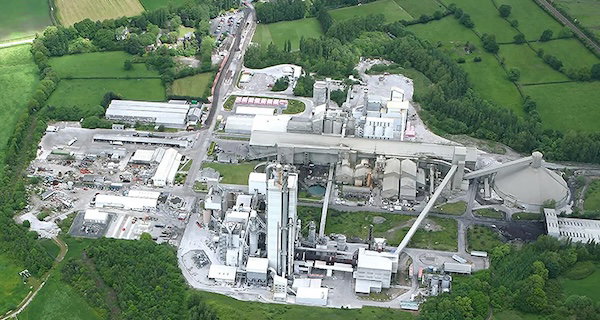
The UK Mineral Products Association (MPA) has warned that delays to cement carbon capture projects could constrain delivery of major infrastructure projects under the country’s legally binding Carbon Budgets.
According to new MPA analysis, carbon capture, utilisation and storage (CCUS) technologies in cement manufacturing could reduce sector CO2 emissions by 75 per cent by 2035, cutting construction-related emissions by up to 3.8Mt annually.
The association said the emissions reductions would create additional “carbon headroom” to support delivery of housing, transport, energy and digital infrastructure projects while remaining within UK climate targets.
The analysis is based on planned CCUS developments including Heidelberg Materials’ Padeswood project in North Wales and the Peak Cluster initiative in Derbyshire becoming operational by 2035.
The MPA stated that without domestic cement decarbonisation, the UK could become increasingly dependent on imported cement from countries with higher carbon intensity production and weaker environmental standards.
According to the organisation, cement carbon capture associated with the government’s target of building 1.5 million homes could potentially reduce emissions by more than 5.5Mt of CO2.
Senior director for cement and lime Martin Casey said Carbon Budgets were becoming “real delivery constraints” for UK infrastructure development and urged faster progress on cement CCUS investment and deployment.
The UK cement and concrete sector has reduced emissions by 63 per cent since 1990, according to the MPA, although the association said carbon capture remained essential for achieving net zero due to unavoidable process emissions from clinker production.
Handpicked stories, in your inbox
Our editors pick the top news delivered to your inbox. Sign-up today!