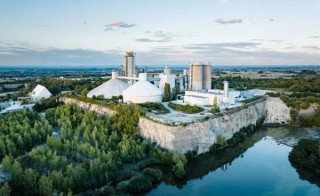
Lehigh plant gets tentative permit to burn new source
Published
The Lehigh Northeast Cement Co. plant tested the alternative material — sold by International Paper Co under the brand name Enviro-Fuel Cubes — last autumn, and found it reduced air pollution from sulfur dioxide, Lisa King, a spokeswoman for the state Department of Environmental Conservation, said Friday.
However, emission tests on the fuel cubes also showed "minor increases" in dioxin, a carcinogen related to chlorine, and furans, another dangerous chlorine-related chemical, as well as small increases in heavy metals like chromium, lead and nickel, but results "were well within allowable emission limits" according to the tentative DEC permit.
Attempts to reach Leigh officials at the Glens Falls plant and the company’s Texas headquarters for comment were not successful.
The fuel cubes are made in Westfield, Mass., and also can include "grass-like materials, switch grass, vegetation, leaves, yard debris, farming by-products, agricultural crops, wood, tree bark and pallets," said King.
Not used in their manufacture are metal, food waste, PVC, Teflon, glass, wet waste and hazardous waste.
Use of such the cubes as alternative fuel is part of Lehigh’s renewed air pollution permit tentatively approved by DEC.