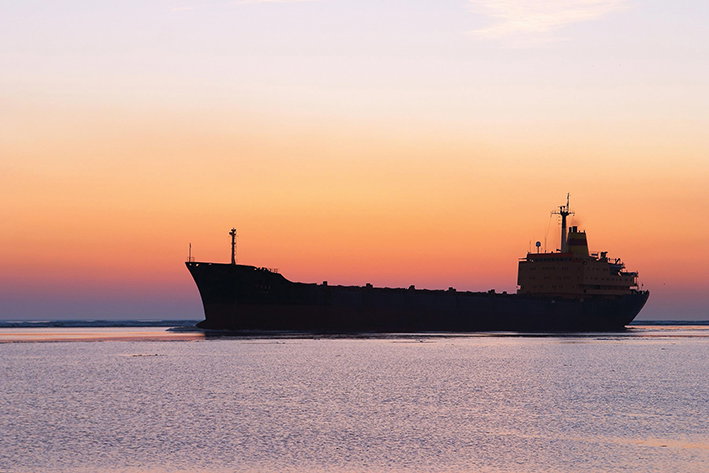
While the current ceasefire deal between the US and Iran aims to become a permanent peace settlement, the impact of the war on Iranian cement supply and further afield is beginning to be realised. The closure of the Strait of Hormuz by Iran and the US blockade of Iranian shipments have been the most damaging factors to industry and trade. The Strait usually transits around 25 per cent of global oil shipments. As stock markets fell, fuel costs rose, and inflation quickly increased, logistics, shipments, and energy were also hit.
Iranian export opportunities tighten
As one of the world’s largest cement producers with The Global Cement Report™ Plant Database recording over 100Mta of cement capacity, Iran is a significant player in the Middle East. It has export markets in Iraq, Kuwait, Afghanistan, Syria, Qatar and UAE. These markets are already changing dynamics to account for any shortfalls.
In May, Iraq began trials of cement exports to Syria with shipments entering gradually to test procedures and ensure smooth operations at border crossings. Cement shipments are primarily entering through the al-Tanf-al-Waleed crossing, but is also facilitated through the al-Yarubiyah crossing, to test trade flows crossing multiple entry-points.
Afghanistan has seen a US$160m investment in a greenfield cement plant in Jowzjan province in the Yatim Taq area. Turkish company “77” started building the plant in April 2026. The new facility will have a cement capacity of 3000tpd. The country is still under sanctions and is in political isolation. Its cement plants at Ghori, Jabal al-Saraj, and Herat have been operating below operational capacity due to outdated equipment, electricity shortages and limited investment. Cement demand in Afghanistan is only reputed to be around 7Mta.
Cement price rises dampen demand
Cement prices have been under pressure since the start of the conflict, especially in Qatar where cement prices have increased from US$55065/t to US$62-75/t, or by 12 to 18 per cent. UAE has seen cement prices increase by 12-15 per cent, from US$45-55/t to US$50-63/t, even the cement heartland of Saudi Arabia has seen price rises from US$50-60/t to US$55-70/t or by 10-16 per cent. Import-dependent markets, like Qatar and UAE are most exposed, claims Global Connect Corp.
Imports and foreign currency
The cost to Iran’s cement industry are difficult to calculate at present. While one cement plant was subject to a US drone attack, little direct military action has interfered with Iran’s cement production. Cement trade is a different story. Foreign construction materials arriving in Iran will carry higher costs, potentially consuming foreign currency reserves that the country needs for food and medicine. However, land routes cannot replace the large maritime volumes required to import cement and clinker into Iran.
Far-away markets see impact of war on cement demand
The American Cement Association (ACA) has revised down its expectations for 2026 domestic cement consumption to a 2.5 decline YoY in its spring forecast. Moreover, in its April forecast, single-family private construction was expected to see a 5.2 per cent drop and non-residential construction could see a five per cent drop. The ACA points towards a “black swan” event, namely the closure of the Strait of Hormuz to be responsible for its gloomy forecast. “A black swan event has come in the form of the conflict with Iran, and it’s clear the longer hostilities in the Middle East continue, the weaker the cement forecast becomes,” said Brian Schmidt, ACA’s senior director of economic policy and analysis.
Continued peace could turn things around. While construction spending is projected to fall 3.1 per cent in 2026, the ACA predicts that consumption will turn positive in the USA in 2027, as the economy stabilises and inflation cools.
In light of the Middle East war, Bangladesh is also feeling the impact on its cement sector. Cement production costs have increased by 30-40 per cent since the start of the conflict and production has declined by 20-25 per cent.
It was also reported on CemNet in April that a cargo vessel operated by Siam Cement Group of Thailand managed to transit the Strait of Hormuz despite the blockade.
War’s impact may not be severe
If hostilities do not resume in the Iran-USA war, the outlook is going to be less severe than was predicted at the start of the conflict. Major construction companies, like Skanska and Granite have moved quickly to spread the risk across their supply chains. Fixed-price contracts and hedging against fuel swings are clear trends for construction companies. While fuel costs have undoubtedly delayed many infrastructure projects, the full impact may yet emerge in broader markets in the 2H26.
Handpicked stories, in your inbox
Our editors pick the top news delivered to your inbox. Sign-up today!